
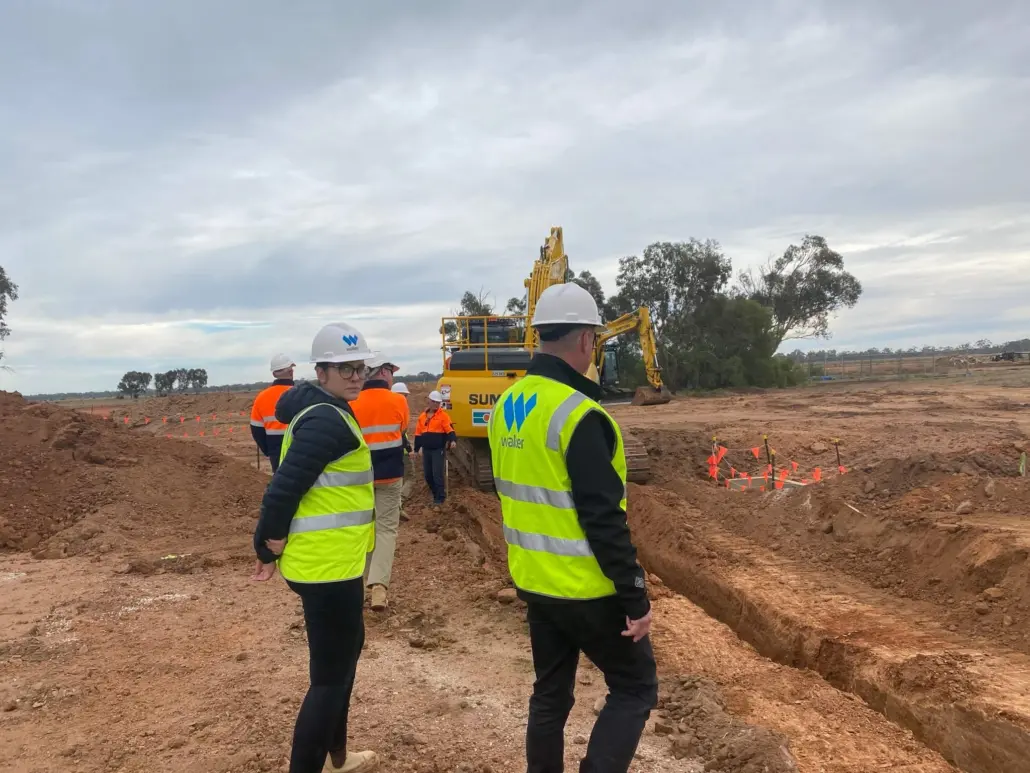
Vacuum Sewer Solutions for Acid Sulphate Soil
Vacuum Sewer Solutions for Acid Sulphate Soil
Vacuum sewer solutions for acid sulphate soil provide a controlled, sealed approach to wastewater collection that reduces ground disturbance and limits exposure of reactive soils. By avoiding deep excavation and using airtight pipelines, vacuum systems help manage the risks associated with acid sulphate soil conditions in infrastructure projects.
How Do Vacuum Sewer Solutions for Acid Sulphate Soil Work?
What is acid sulphate soil and why does it matter for sewer design?
Acid sulphate soils are naturally occurring soils that can produce sulphuric acid when exposed to air.
This can:
- Corrode infrastructure materials
- Impact groundwater and surrounding environments
- Require strict handling during excavation
These characteristics make conventional deep trench sewer installation more complex.
How does a vacuum sewer system operate in these conditions?
Vacuum sewer solutions for acid sulphate soil use a sealed, pressure-based system:
- Wastewater enters a collection chamber
- An interface valve opens automatically when triggered
- Vacuum pressure transports sewage through sealed pipes
- Wastewater is conveyed to a central vacuum station
Because the system operates without relying on deep gravity gradients, excavation can be minimised.
Why Are Vacuum Sewer Solutions Effective in Acid Sulphate Soil Areas?
How do vacuum sewer systems reduce soil disturbance?
A key objective in acid sulphate soil management is limiting exposure to air.
Vacuum systems support this by:
- Allowing shallower trench installation
- Reducing the volume of soil excavation
- Minimising disturbance of reactive soil layers
This helps reduce the potential for acid generation.
How does a sealed sewer system help manage environmental risk?
Vacuum sewer solutions for acid sulphate soil use airtight pipelines.
This provides:
- Reduced risk of wastewater leakage into surrounding soils
- Limited interaction between the sewer system and groundwater
- Controlled transport of sewage within the network
These factors support environmental management requirements in sensitive areas.
What Design Considerations Apply to Vacuum Sewer Solutions in Acid Sulphate Soil?
Careful planning is required when designing infrastructure in acid sulphate soil conditions.
Key considerations include:
- Excavation strategy: Minimising exposure of reactive soils
- Material selection: Suitability for potentially corrosive environments
- Vacuum station location: Central positioning for efficient operation
- Monitoring systems: Supporting performance and maintenance
Coordination with environmental and geotechnical specialists is essential during design.
How Are Vacuum Sewer Solutions Used in Developments with Acid Sulphate Soil?
A common application is a coastal or low-lying residential subdivision with known acid sulphate soil layers.
In this scenario:
- Deep excavation for gravity sewers could expose reactive soils
- Soil treatment and handling requirements may increase project complexity
- Environmental regulations may impose strict controls
A vacuum sewer system enables:
- Reduced excavation depth
- A sealed network that limits environmental exposure
- Flexible layout aligned with subdivision planning
This approach helps manage both engineering and environmental constraints.
When Should Vacuum Sewer Solutions Be Used for Acid Sulphate Soil?
Vacuum sewer solutions are well suited when soil conditions introduce environmental or construction challenges.
They are particularly effective for:
- Sites with identified acid sulphate soils
- Coastal and estuarine developments
- Projects requiring minimal soil disturbance
- Areas with strict environmental compliance requirements
They can also support staged development where soil conditions vary across the site.
Vacuum Sewer Solutions for Acid Sulphate Soil
Are vacuum sewer systems suitable for acid sulphate soil areas?
Yes. They are well suited due to their reduced excavation requirements and sealed design.
Do vacuum sewer systems prevent acid sulphate soil exposure?
They do not eliminate exposure entirely, but they can significantly reduce the extent of soil disturbance.
How do these systems help manage environmental risks?
By minimising excavation and using sealed pipelines, they help limit both soil exposure and wastewater leakage.
Are special materials required for these systems?
Material selection should consider site conditions, including potential corrosion risks associated with acid sulphate soils.
Can vacuum sewer systems be used in coastal developments with these soils?
Yes. They are commonly applied in coastal and low-lying areas where acid sulphate soils are present.
Planning Vacuum Sewer Solutions for Acid Sulphate Soil
For developers, councils, and consulting engineers, early planning is essential.
Recommended steps include:
- Conducting an acid sulphate soil assessment
- Evaluating sewer system options based on environmental constraints
- Engaging with vacuum sewer specialists during concept design
- Integrating sewer infrastructure into early project planning
A structured approach ensures the selected system aligns with both environmental management requirements and long-term infrastructure performance.