
Vacuum sewer systems are increasingly being used where traditional systems stop making sense.
In many developments, gravity sewer design leads to deep excavation, high construction cost, and ongoing infiltration issues – particularly in flat or high groundwater environments. Septic systems are also becoming harder to sustain as regulations tighten and communities expand.
Vacuum systems remove these constraints.
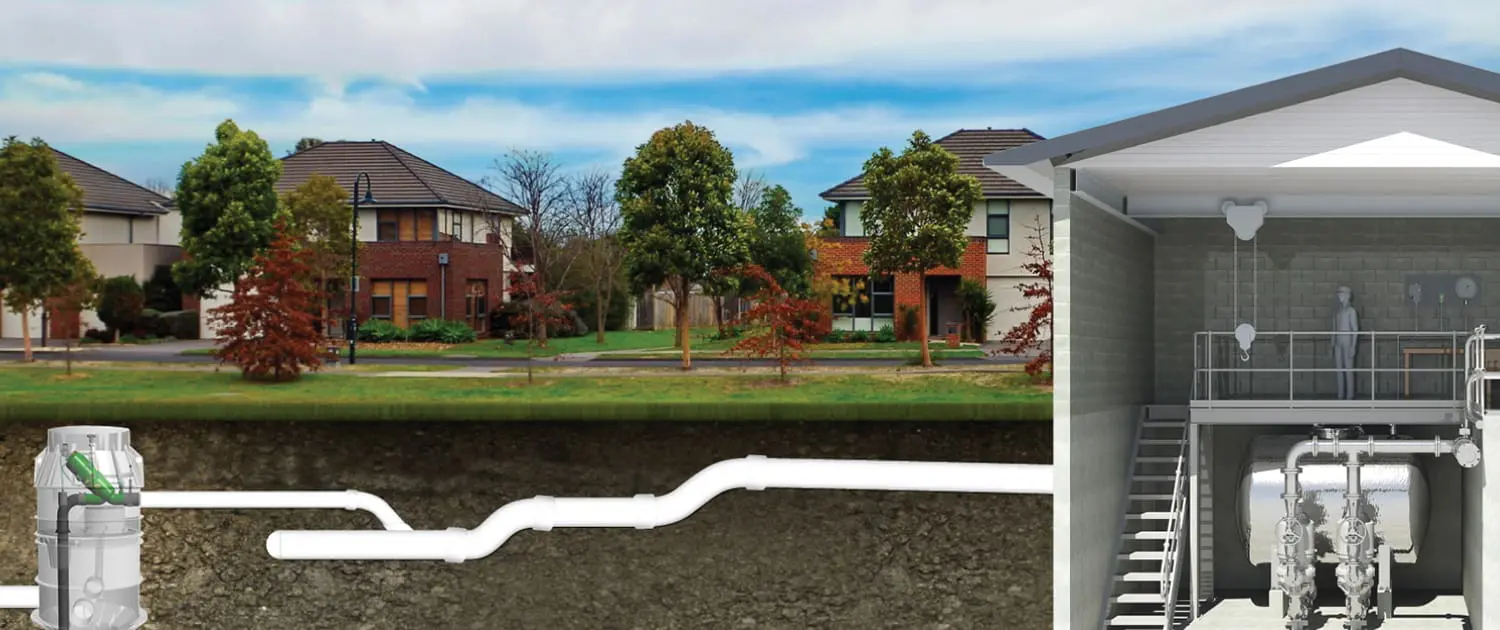
They transport wastewater using controlled air pressure through a sealed network, avoiding the need for deep gravity pipelines.
Flovac delivers complete vacuum sewer systems, combining the collection network, vacuum station, and monitoring required to manage performance over time.
This is not just about building infrastructure – it’s about operating it effectively.
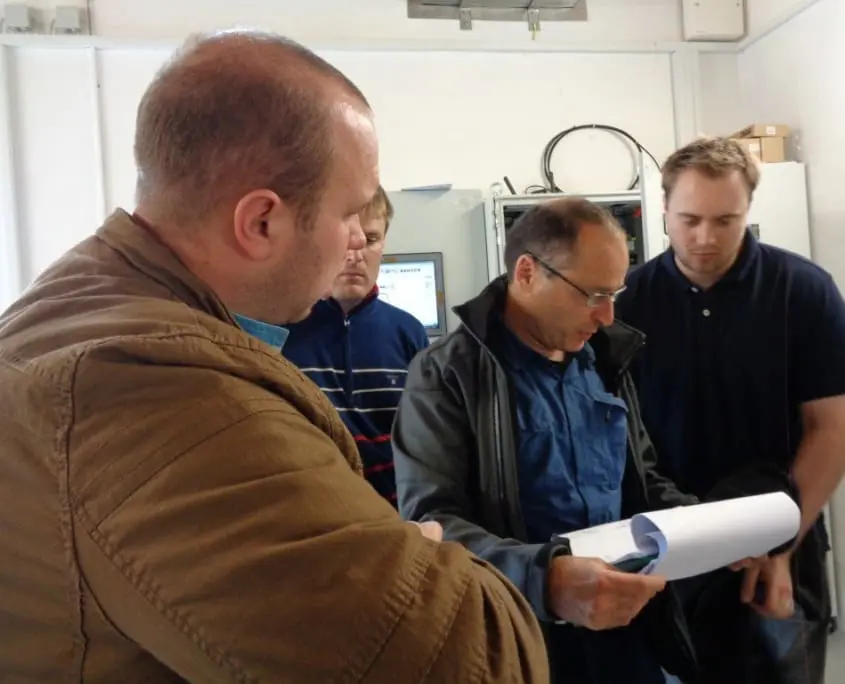
With real-time monitoring and system visibility, operators can detect issues early and maintain consistent system performance.
Vacuum systems are not suited to every project. But where conditions demand a different approach, they provide a reliable and proven alternative.
When Vacuum Sewer Systems Make Sense
Vacuum sewer systems are typically considered when traditional approaches begin to create cost, construction, or operational challenges.
They are commonly used in projects such as:
- Developments with high groundwater, hard rock, or difficult soil conditions
- Flat or low-lying areas where gravity requires deep excavation
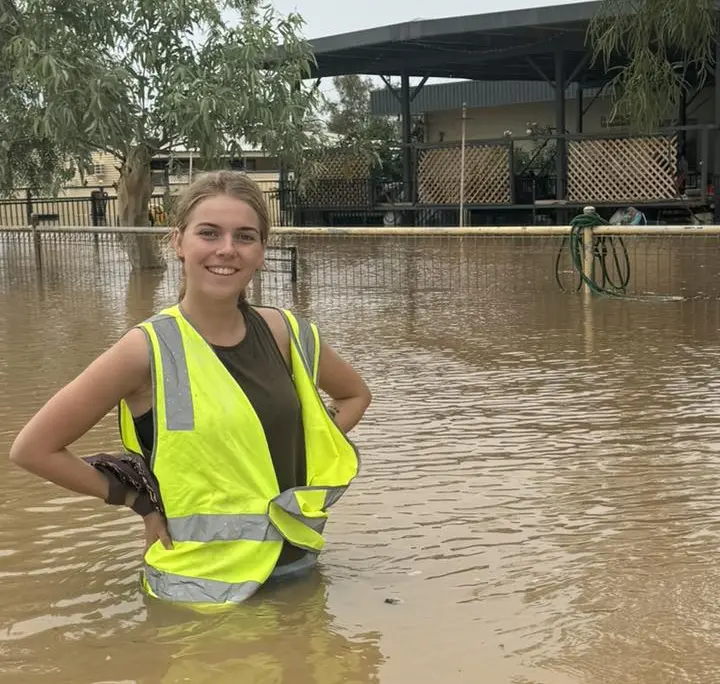
- Coastal and flood-prone environments
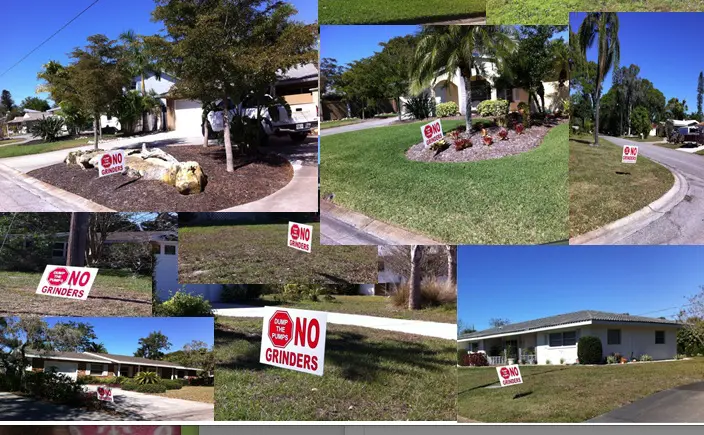
- Communities transitioning from septic systems to centralised sewer
- Medium-density developments where individual pump systems are difficult to manage
- Projects where infiltration and long-term maintenance are a concern
- Areas exposed to flooding, hurricanes or seismic activity where system resilience is important
In these situations, vacuum systems provide a practical way to reduce excavation, control infiltration, and maintain reliable operation across the network.
Because the system is sealed and centrally powered, it can also offer advantages in energy use and system resilience.
Power requirements are concentrated at the vacuum station, allowing backup generation to be provided at a single location rather than across multiple pump points.