FLOVAC VACUUM MAINS

The design and laying of the Vacuum Mains is critical to ensure the Flovac green vacuum sewer systems operates effectively and efficiently. Read on to see the importance of grades, depths, flows and placements are to the system’s operations.

Flovac’s Vacuum Mains (either PE or PVC) are designed to laid in shallow ground with as minimum depth as possible at a 1/500 grade. The contractor builds steps in the pipework to keep the mains from getting too deep. The more steps that are installed, the more hydraulic losses are created, lessening the distance that the mains can go. It is important to have collection pits evenly distributed around the catchments and along the vacuum mains to ensure fast movement of sewage to the VPS.

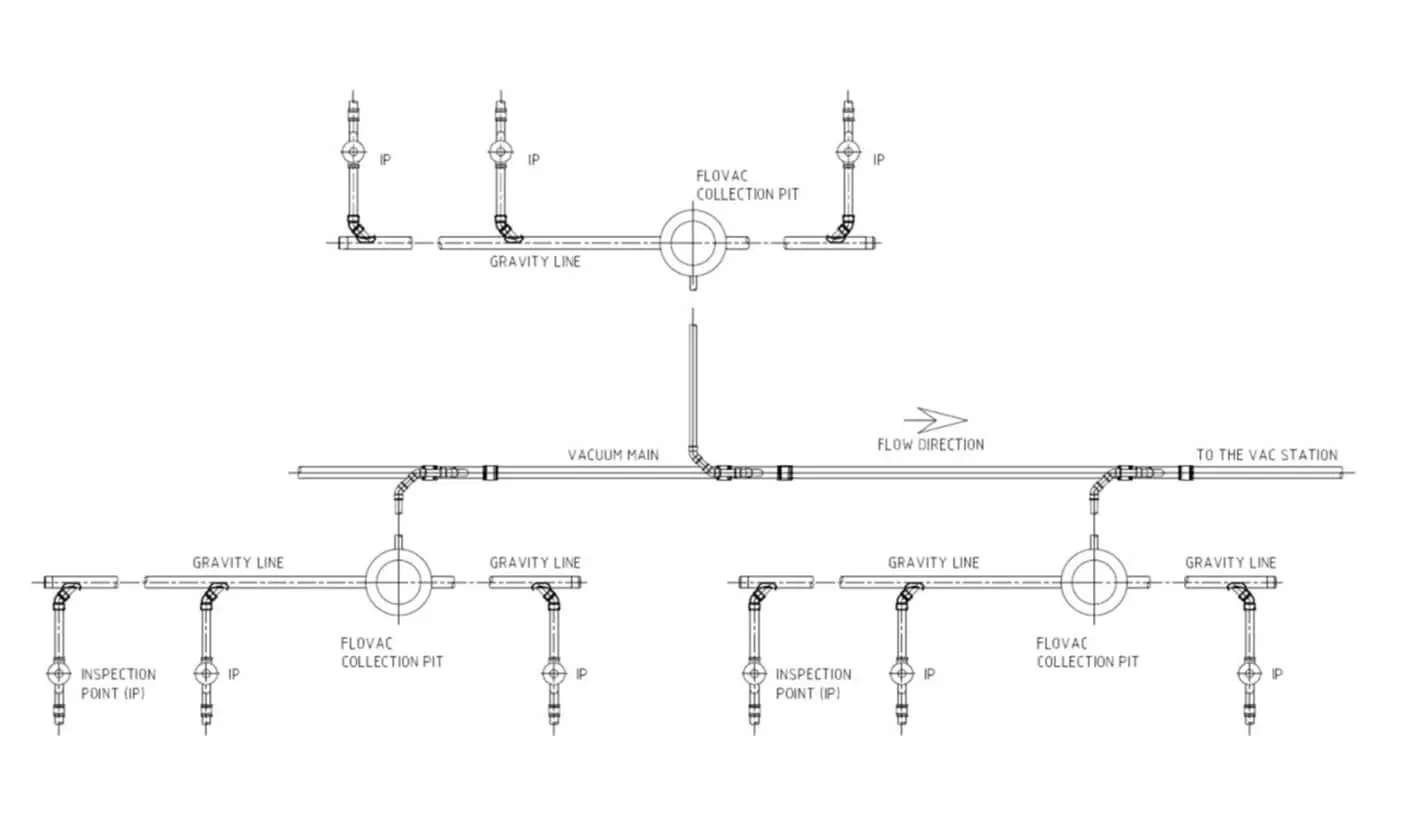
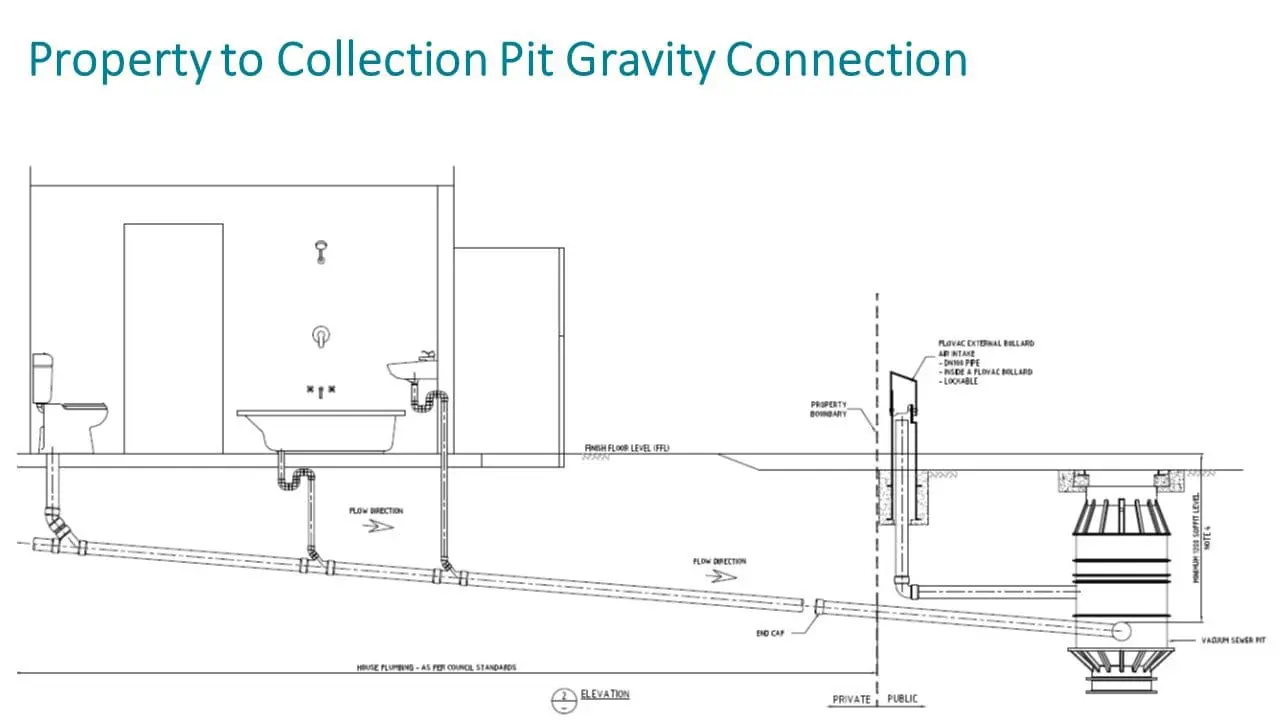
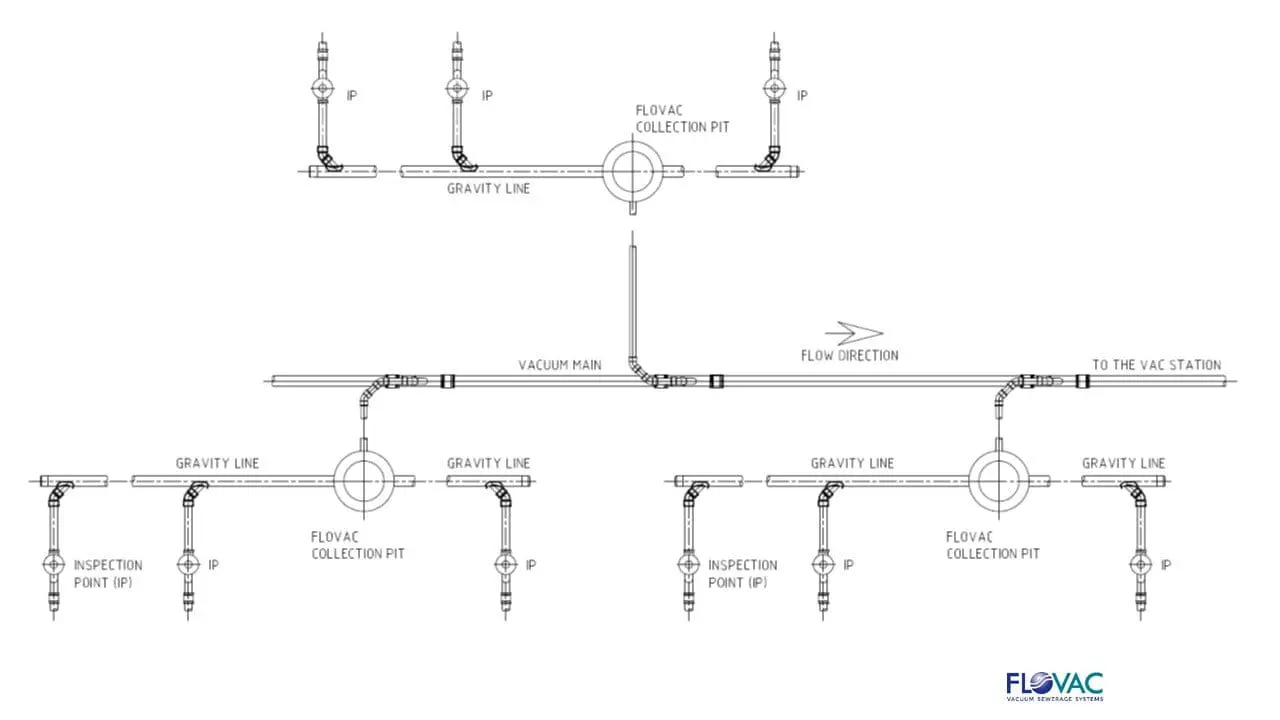
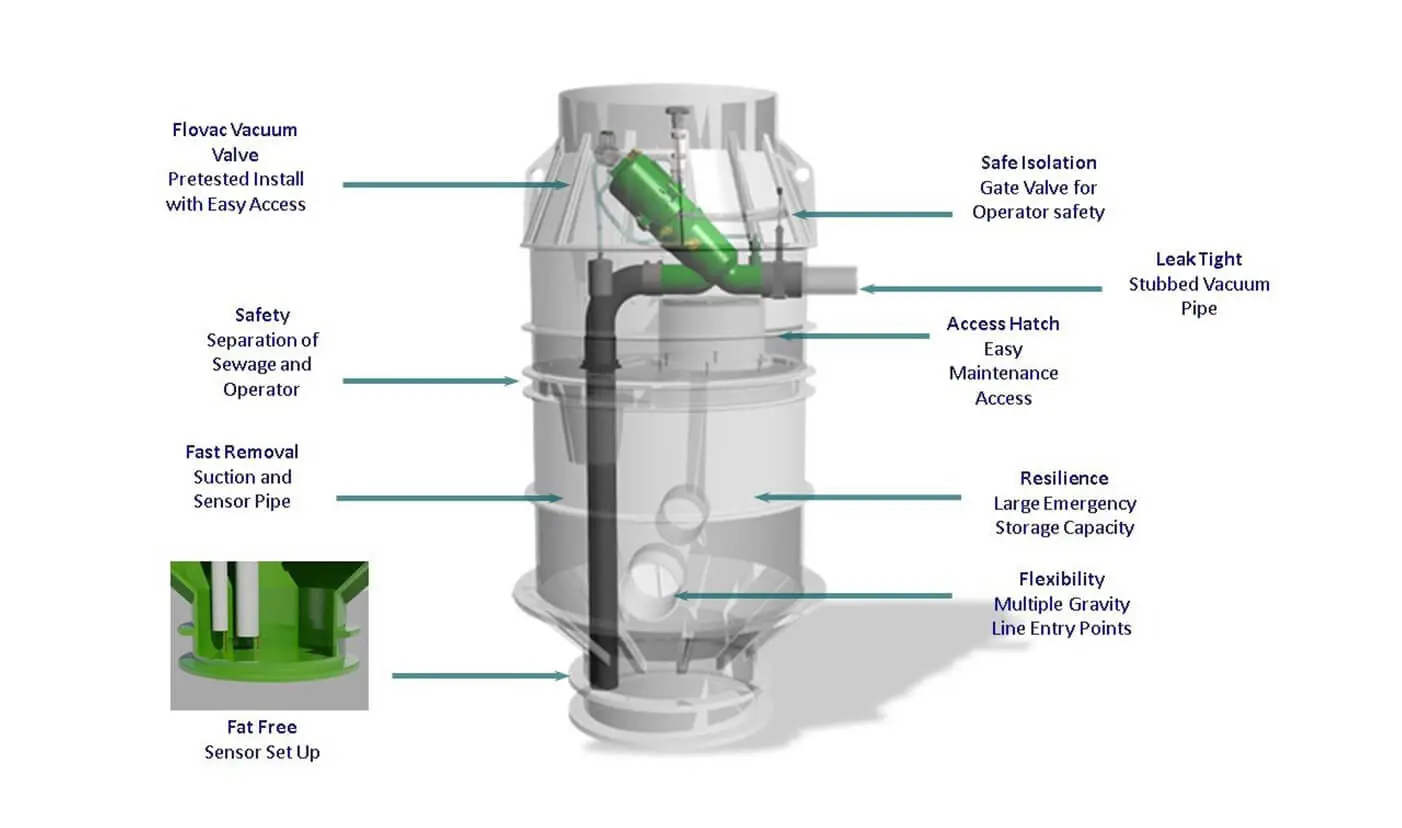
The first stage of the vacuum main development is connecting the gravity lines from the house to the Flovac Collection Pit. Typically, between 4 and 6 houses are connected to a collection pit, but this depends on; the ground conditions; the size of the house; and the amount of flow likely to enter the sewer at this point. All collection pits are usually located outside of the property boundary so no easements or entering of a private property is necessary by the system operator.

From the Flovac Collection Pit to the Vacuum Mains requires a well-thought design. This ensures the flow is heading correctly towards the Vacuum Pump station and that wastewater is being injected into the Vacuum Mains at the right places within the system to avoid water logging.

It is important to lay the Vacuum Mains at a grade sloping downward towards the Vacuum Pump Station. Due to the negative pressure within the Vacuum Mains, it is pipework can be laid at a 1:500 grade. This could suggest that the system is a hybrid gravity system, which is true, but this design grade also minimizes energy use helping reducing operating costs.

Vacuum Mains are laid at a depth of between 1-2 meters (3-6 feet) and do not require manholes. Steps in the mains are required to maintain a shallow depth. The flexibility and shallowness of all the pipework makes the Flovac system ideal in high water table, hard rock or acid sulphate soils. 

Minimised disruptions, cost and environmental advantages

The shallow depth of Flovac’s vacuum mains comes with many advantages such as these.

  • It allows contractors to lay pipe at a much faster pace which minimizes disruptions to homeowners and delays in the project.
  • There are cost advantages associated reduced trench digging and faster pipe laying.
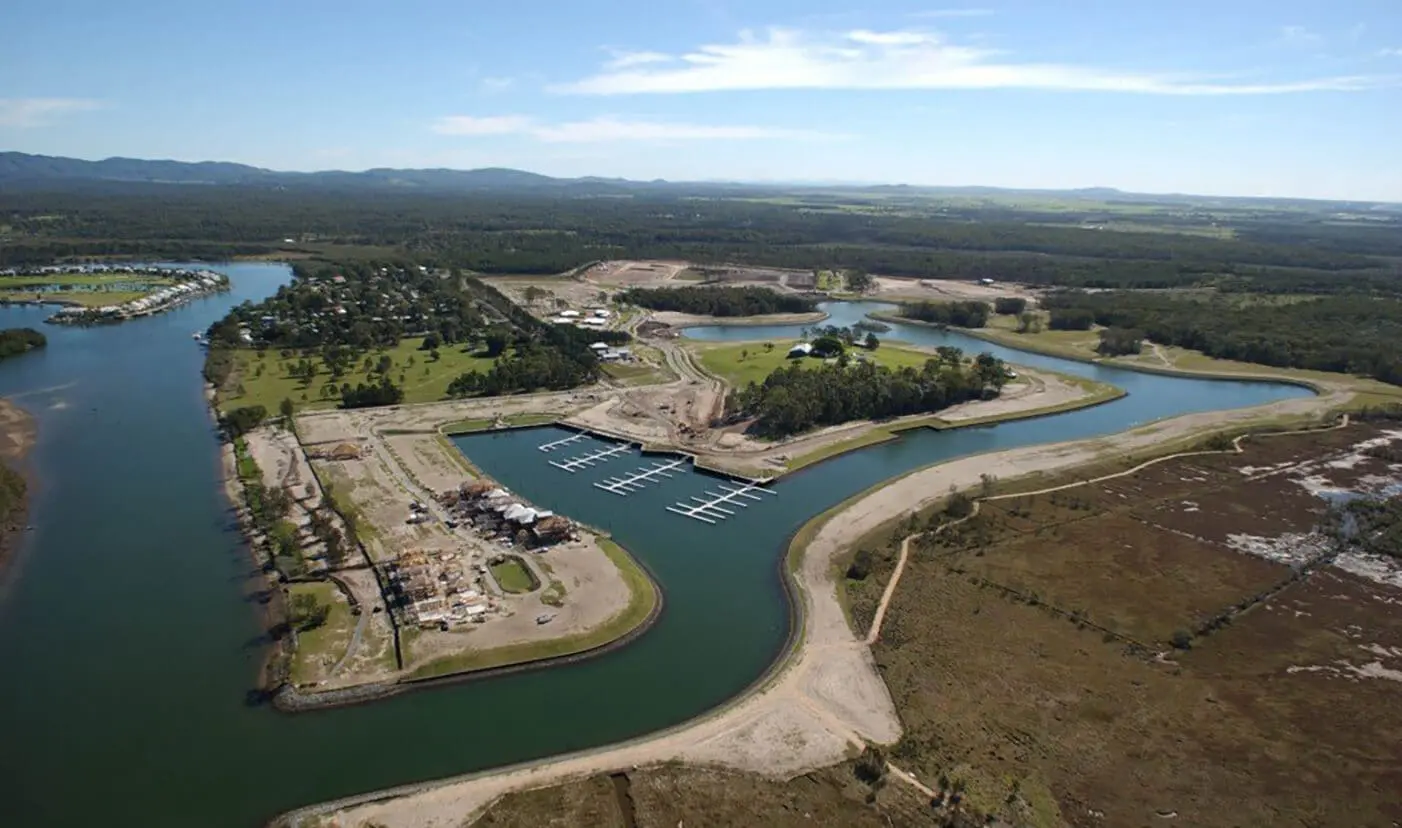
  • There is little to no impact on the water table level as vacuum systems are considered one of the safest technologies when dealing with environmentally sensitive areas. That’s because Vacuum Mains cannot leak, which is highly important when systems are close to waterways.

Flovac uses pressure pipe, which ensures it handles the negative pressure within the sewer pipes. Either PVC with rubber ring joints or HDPE pipe with electrofusion couplings is also acceptable.

Vacuum sewer systems are now being installed with the vacuum main being placed in the same trench as the water main, as well as the force main. This is because the vacuum main has a negative pressure. And if a vacuum main breaks, it sucks inwards. This leak is quickly discovered as the vacuum pumps would run longer to keep up the depleted vacuum.

Vacuum System Design

Vacuum Pump Station

Vacuum Mains

Collection Pit

Vacuum Interface Valve

Monitoring