Typical Applications for Vacuum Sewer Systems

Vacuum sewer systems are used across a wide range of projects where ground conditions, topography, or infrastructure constraints make traditional gravity systems difficult or costly.

Each application is driven by specific site conditions – including groundwater levels, terrain, environmental sensitivity, and long-term operational requirements.

They are commonly applied in septic-to-sewer conversions, new residential developments, coastal and waterfront areas, staged or remote projects where flexibility and relaibility are critical.
Septic-to-Sewer Conversion Projects

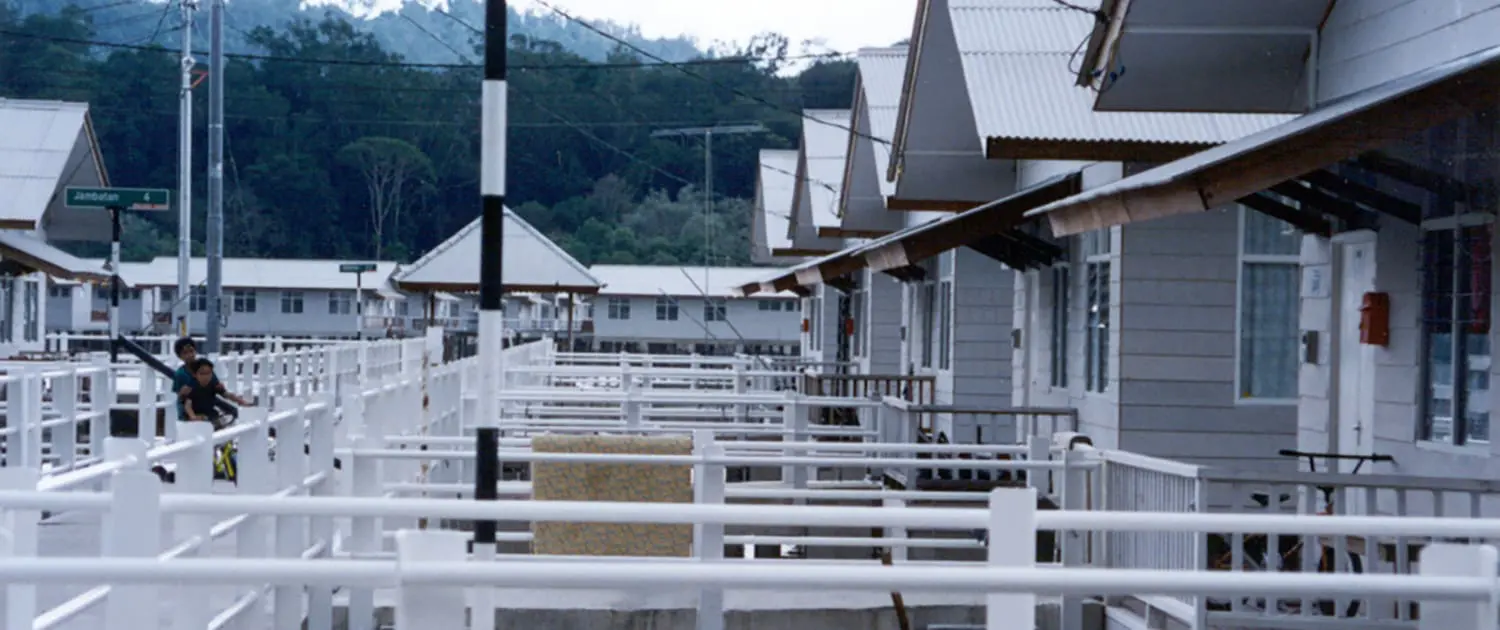
vacuum sewers are installed in areas which would be too difficult to sewer in any other way including houses built on jetties above the water.

Septic-to-Sewer Conversion Projects

Many vacuum sewer systems are installed in communities transitioning from septic tanks to centralized sewer infrastructure.

As towns grow, septic tanks become difficult to manage – particularly where space is limited, groundwater is high, or environmental egulations are tightening.

In these situations, vacuum systems provide a practical alternative to gravity or low-pressure systems, reducing excavation, controlling infiltration, and allowing reliable operation across entire communities.

System Options Typically Considered

Communities converting from septic tanks typically assess:

  • Gravity sewer systems
  • Low-pressure (grinder pump) systems
  • Vacuum sewer systems

The most suitable option depends on terrain, grondwater conditions, density, and long-term operational requirements.

Where Vacuum Systems are Most Effective

Vacuum systems are often preferred where:

  • Groundwater levels are high
  • Sites are flat or low-lying
  • Environmental protection is critical
  • Large numbers of homes are connected in clusters
  • Long-term maintenance, infiltration and energy stability are concerns.

Residential and Mixed-Use Developments

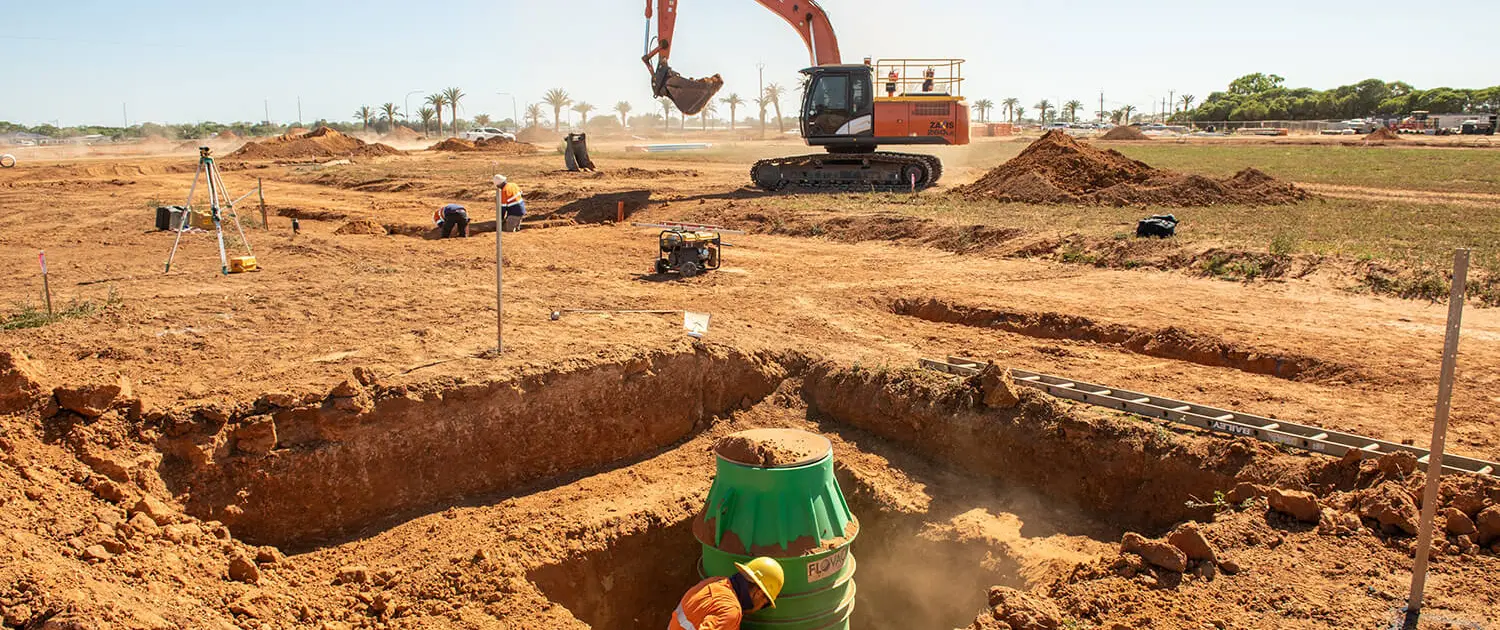
Vacuum sewers are installed in areas with a high water table. This reduces the speed of installation and trenching costs

Residential Private Developments, Golf Course Developments, Resorts, Canal Developments

Vacuum sewer systems are widely used in residential and mixed-use developments where site conditions make gravity systems difficult or costly.

They are particularly effective in flat terrain, high ground water areas, and coastal or canal developments where excavation depth and infiltration are major concerns.

A single vacuum station can serve an entire development, simplifying infrastructure and allowing staged construction as projects grow.

WHY DEVELOPERS CHOOSE VACUUM SYSTEMS

  • Reduced excavation and shallow installation
  • Lowere capital cost in challenging ground conditions
  • Flexible for staged development and expansion
  • Minimal impact on residents during construction
  • Lower long-term maintenance and operating costs
  • Centralised operation from a single vacuum station
  • Resilient in flood-prone and high groundwater areas
  • Compatible with real-time monitoring

See how versatile Flovac is for Residential Developments.
view case study

Marina and Port Precincts

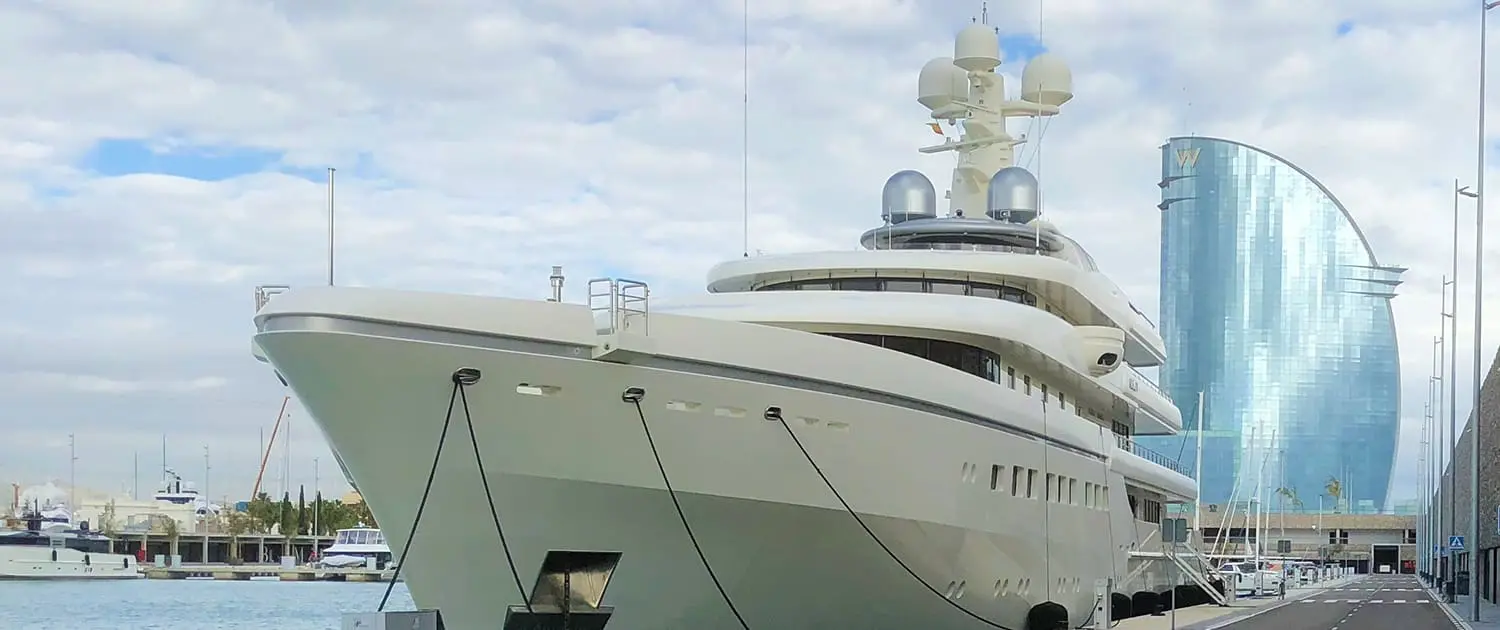
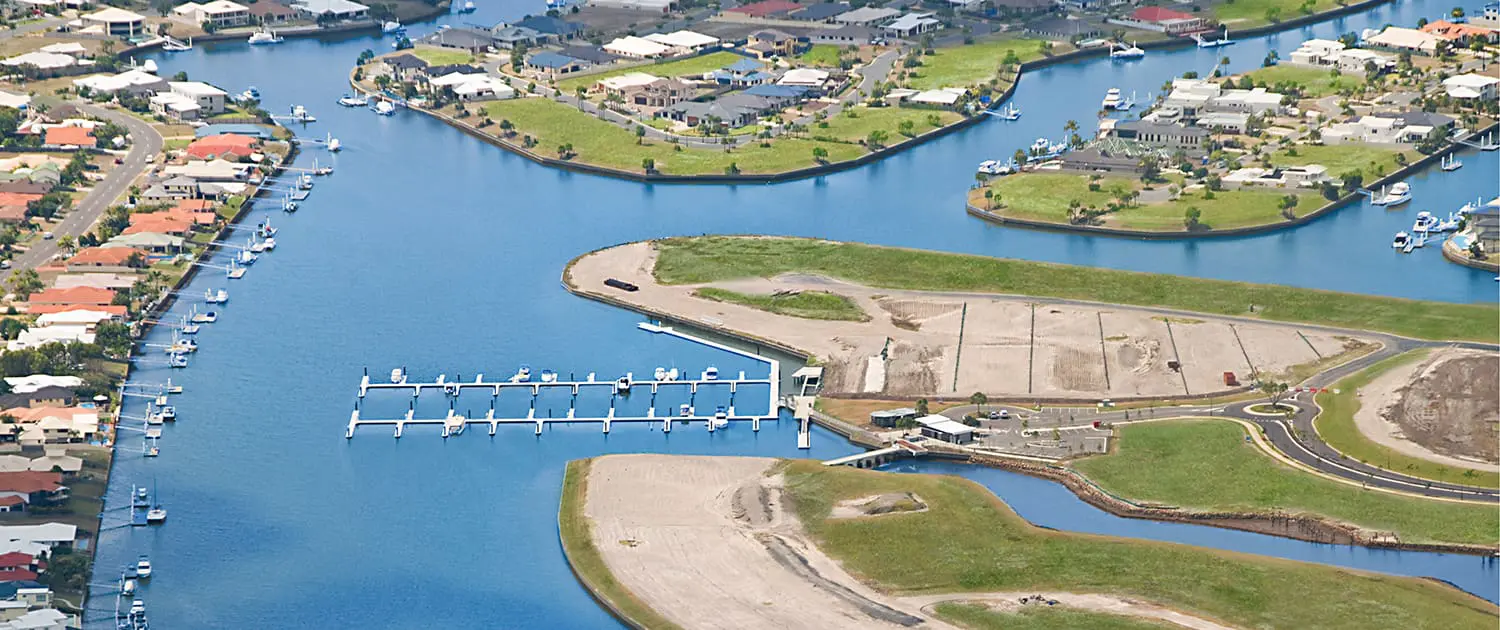
Vacuum sewers are used at many large marinas and ports to handle the wastewater and bilge water off the boast as well the hotels, offices and restaurants

Marina and Port Precincts

Vacuum sewer systems are particularly suited to marinas, waterfront developments, and port precincts where traditional gravity systems struggle with fluctuating loads, high groundwater, and environmental sensitivity.

They provide a controlled and hygenic way to collect wastewater from boats, commercial facilities and surrounding developments – including sewage and bilge water – without the risk of leakage into sensitive marine environments.

vacuum systems can accomodate a wide range of vessel types, from small recreational boats to large commercial vessels, and allow flexible connection points throughout the marina.

With centralised collection and optional monitoring, operators can manage peak demand periods, reduce environmental risk, and maintain consistent system performance across the entire precinct.

Why Vacuum Works for Marinas

  • No leakage risk into waterways
  • Works in high groundwater and tidal conditions
  • Handles variable and peak loading from vessels
  • Flexible connection points across large precincts
  • Centralised control and monitoring
  • Reduced excavation in waterfront areas.

Vacuum systems eliminate the risk of untreated wastewater entering sensitive marine envoronments.

Deployable Systems

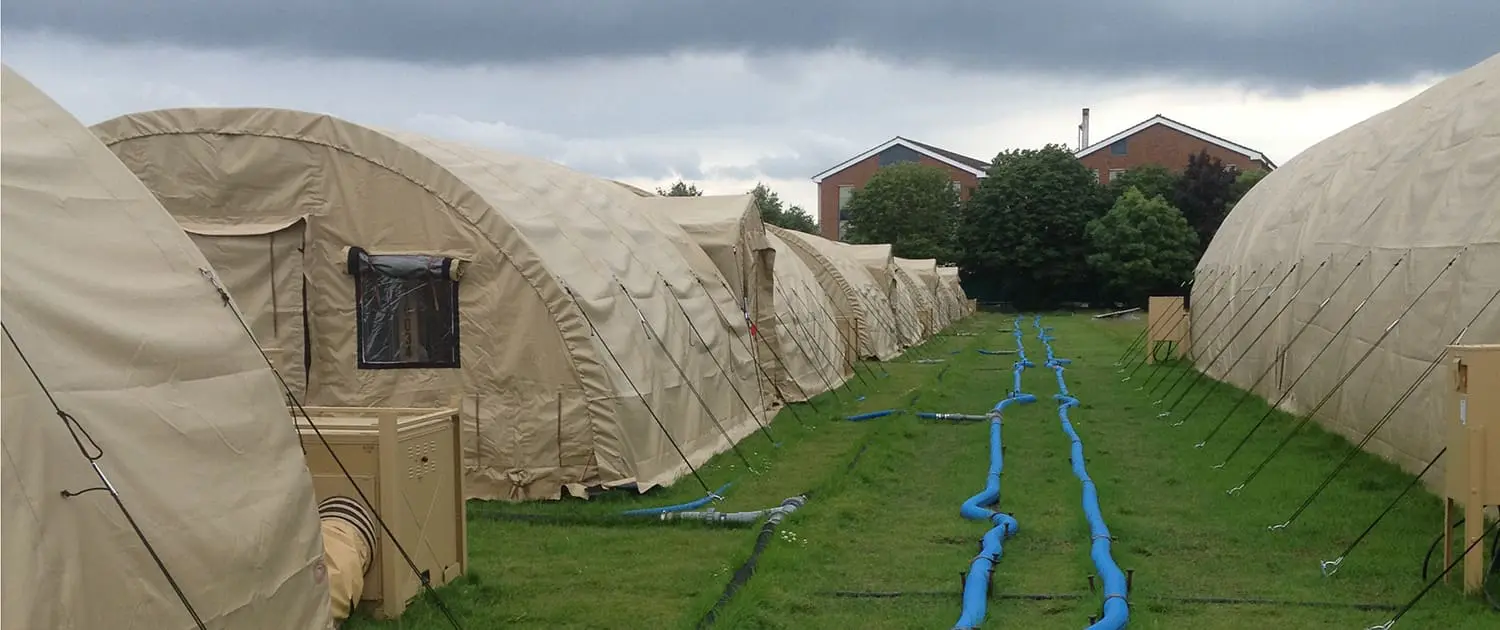
Deployable vacuum systems used in temporary camp facility. vacuum mains laid above ground

Deployable vacuum sewer systems provide a fast, flexible wastewater solution for temporary and rapidly changing environments – where permanent infrastructure is not practical or time is critical.

Systems can be deployed and operational within 24 hours, with pipework laid above ground where required, avoiding excavation, disruption, and environmental impact.

When no longer needed, the system can be quickly dismantled, removed, and redeployed to the next site – leaving minimal footprint behind.

This makes vacuum systems ideal for projects where speed, flexibility, and reliability are essential.

Typical Applications

  • Events and large gatherings
  • Military and remote operations
  • Staged residential developments
  • Mining camps and fly-in-fly-out camps
  • Emergency and disaster response
  • Temporary accomodation and worker camps

MONITORING AND SMART WASTEWATER SOLUTIONS

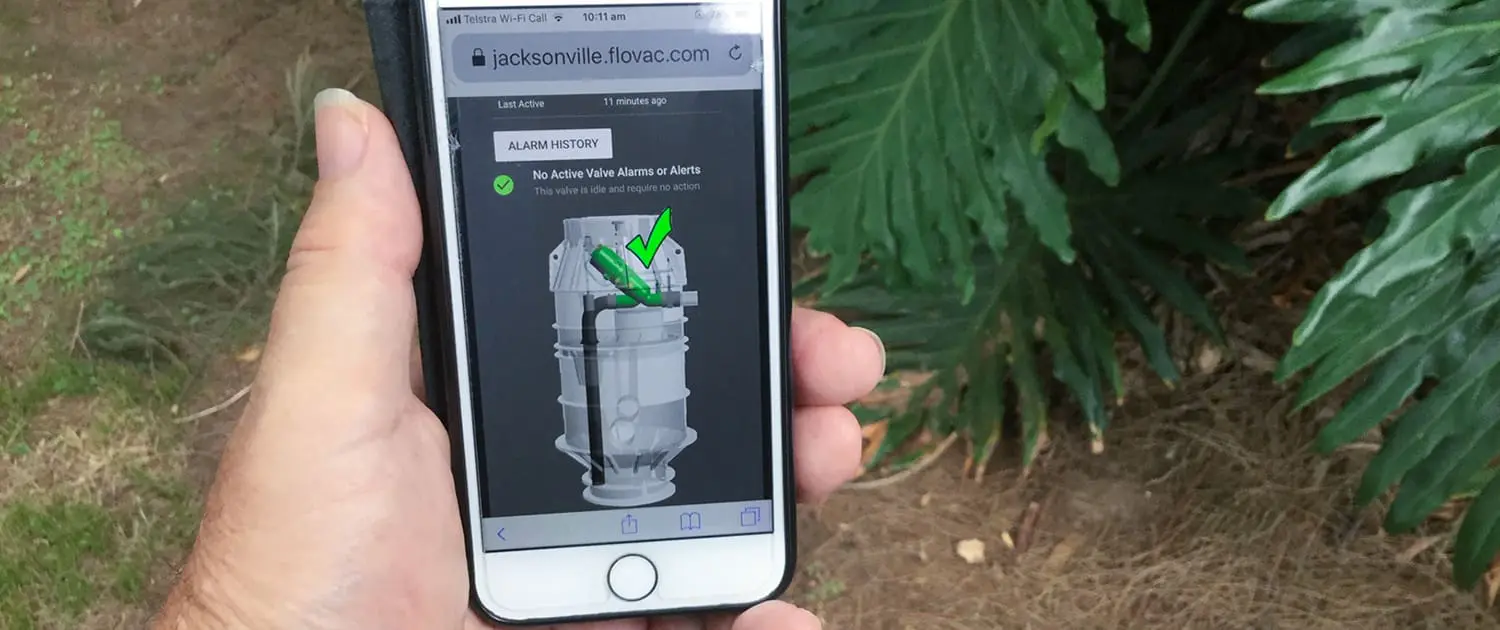
Wireless monitoring can inform operators of the status of their vacuum sewerage systems

MONITORING SOLUTIONS

Flovac’s monitoring systems give operators real visibility into how vacuum sewer networks perform in operation – not just at the station, but across the entire system.

From individual collection pits to the vacuum station,data is continuousely captured to identify infiltration, valve behaviour, system recovery and overall performance.

For operators, this means earlier fault detection, reduced call-outs and more efficient maintenance.

For engineers and utilities, it provides a deeper understanding of how systems actually perform over time – supporting capacity assessments, staging decisions, system upgrades and future designs.

With both wired and wireless solutions, Flovac monitoring can be applied across new and existing networks, providing a scalable platform for smarter wastewater management.

What You Can Understand

  • Infiltration and inflow behaviour
  • Valve performance and cycle behaviour
  • System vacuum levels and recovery across the network
  • Energy consumption and efficiency trends
  • Early warning of faults and developing issues
  • Network-wide performace and capacity insights

“Real performance insight to support better operation and better design.”

Start with a Simple Concept Design

Not sure if a vacuum system is right for your project?

Our engineers can review your site and provide a simple concept design, along with practical guidance on layout, staging, and likely costs.

Its a straightforward way to understand whats possible – with no obligation.

Vacuum sewers are ideal for residential communities with difficult ground conditions