Posts

Interview with a Utility Ops Team Leader

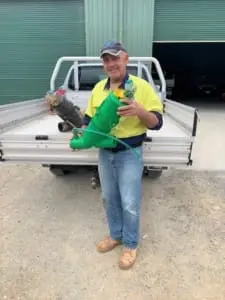
A recent interview with team leader David Parkinson of Byron Shire Council gives insights into their vacuum sewer system and just how installing a monitoring system can have time saving and financial benefits to councils.
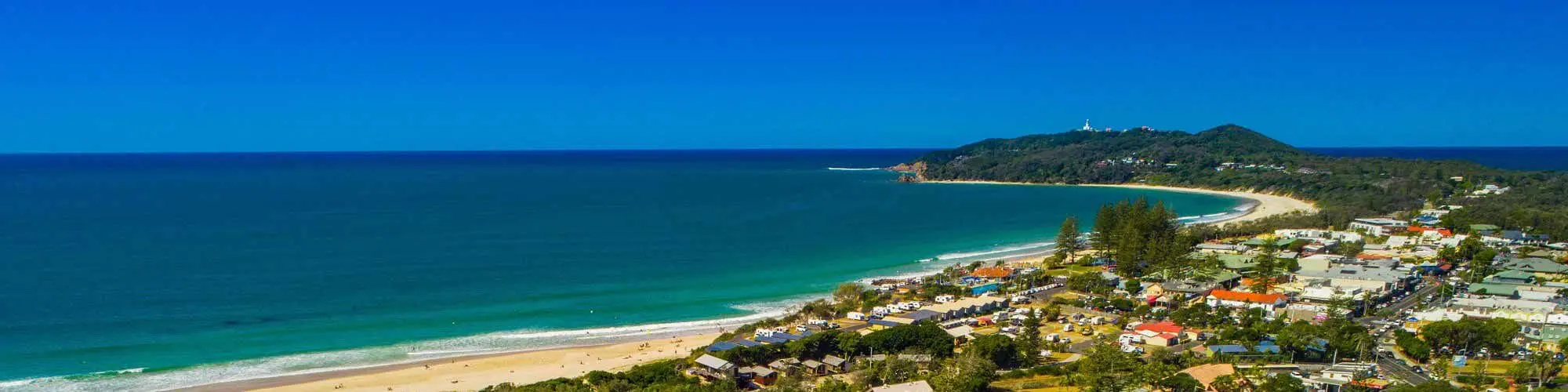
The Byron Bay community on the north eastern coast of New South Wales is listed as one of the top ten destinations in Australia for tourists from around the world. Its pristine beaches and popular cafes and restaurants ensured that even through covid, domestic tourism has kept the area as busy as usual.

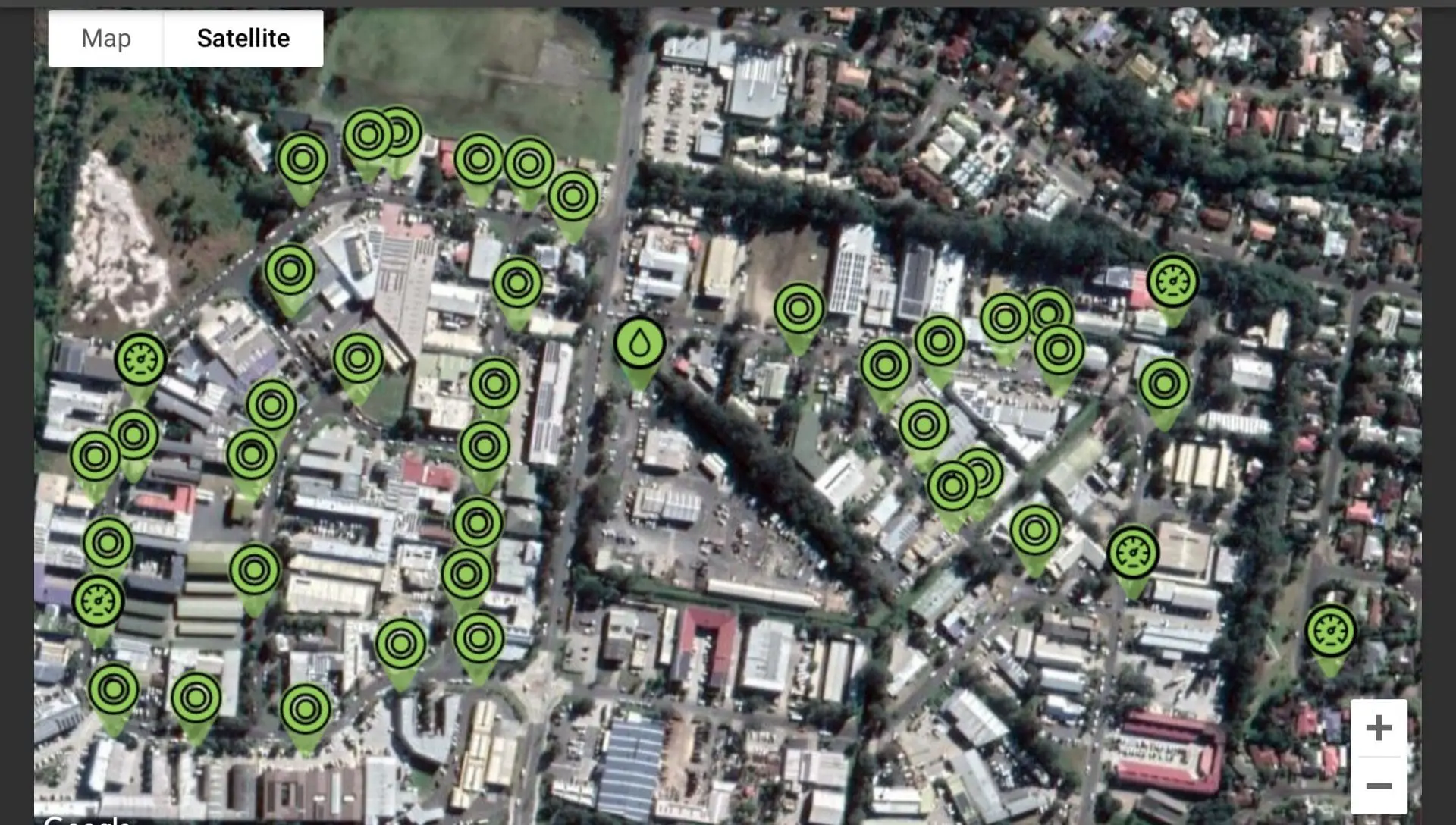
A vacuum system was installed in 1993 in a section of Byron Bay which encompasses light industrial, commercial and residential users. Increasingly heavy rainfalls on the coast revealed the need to pinpoint operational overload issues in the system, this could only be accomplished via the use of automation tools. Retrofitting their system with a monitoring system has given the Council operators a better overview of their systems operation, and a means to protect the mechanical health of this key community infrastructure investment.

A recent interview with Team leader Dave Parkinson of Byron Bay Council gives further insight into just how installing an electronic monitoring system can have time saving and financial benefits to councils.

  1. What has been your role at Byron Bay Council what has been your involvement in implementing the Flovac Sewerage System there and the monitoring system?

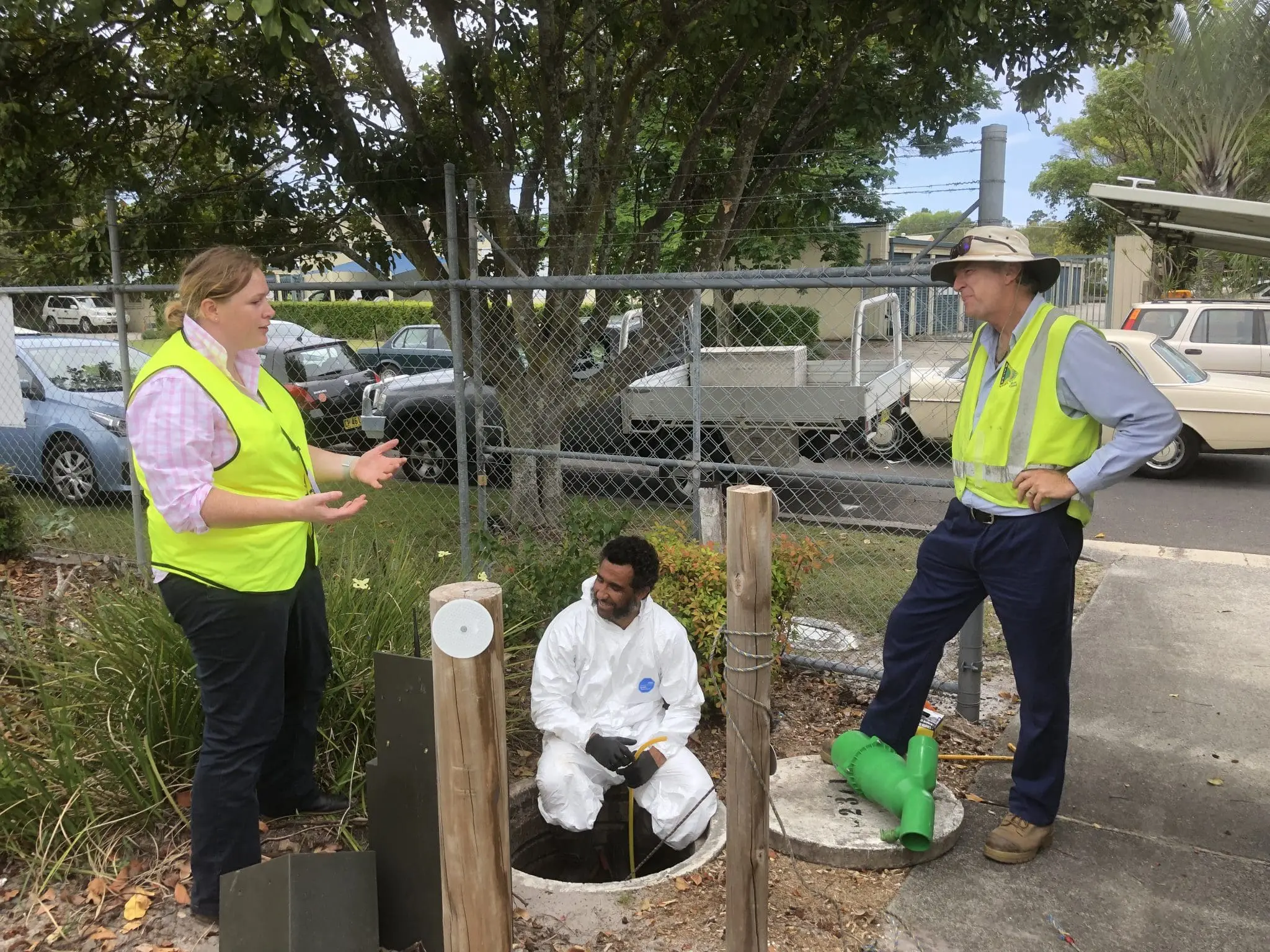
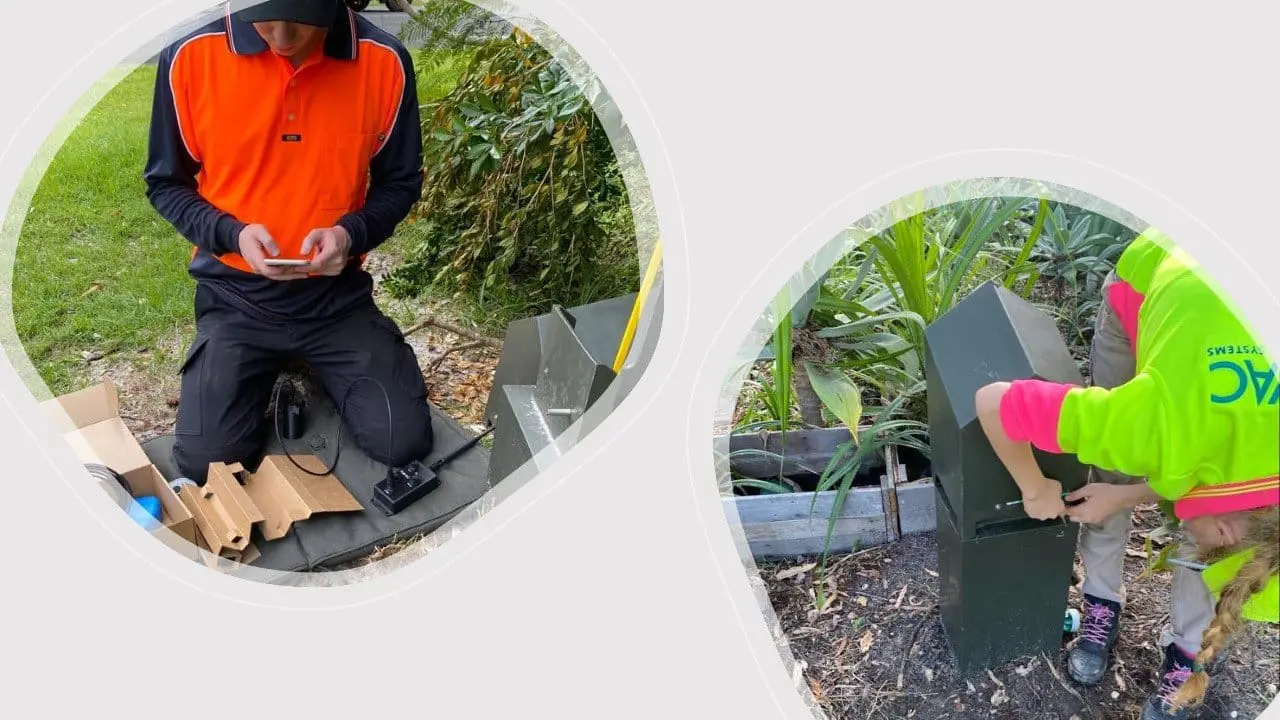
“Essentially my job as Team Leader was to oversee the install of the telemetry pillars to the 89 pits. Also overseeing the installation of antennae to receive telemetry from the pits, and also the roll-out of training and instructions on installation to staff. I deliver an overview to new staff on the system and how it works”.
  1. How long has your Flovac system and the monitoring devices been installed?

“The Flovac system commenced being installed in 1993. The monitoring system in 2020”.

  1. How does your monitoring system work?

“It’s a great system which has empowered staff to monitor the system in operation using their iPads and mobiles on a daily basis. They are able to fix and rectify faults quickly and seamlessly”.

Saving Operational Hours

  1. What, in your opinion is the main advantage of the Flovac system itself, and in particular their monitoring system?

“The main advantage is in time saving after hours. Staff can monitor the issue before leaving home and drive straight to the pinpointed problem pit or pits”.
  1. Is the monitoring device a time and cost saving system?

“Yes, it’s benefits are both; in time and cost savings for operations staff. For example, when it’s extreme weather like our recent big storm event on the East Coast of NSW you can locate the problem much quicker, lessening the time spent in poor weather/working conditions for our teams”.

  1. Would you recommend it to other councils with similar low-lying coastal terrain as you have?

“Absolutely if you’re going to install this type of system, we would recommend you have the monitoring system on it. We asked our maintenance staff to assist us with the choice of systems when we needed to replace the old one and the Flovac system was selected because of the whole package that was offered. After five years we gradually moved over to this system”.

  1.  How did you hear about this system?

“Flovac approached Council when we were deciding to replace the ageing valves. We were impressed by the ongoing support offered by John Radinoff and his team when he presented the Flovac system’s many benefits to the Management and Operational teams”.

  1. Do Flovac provide good operational support when you need it?

“Yes, they have followed through with their ongoing support 24/7. Flovac also offered us the first monitoring service. The company is innovative and developed it to assist us in more efficient delivery of services to our residents”.
  1. Has the addition of a monitoring system helped you operationally? If so, in what way?

“Yes, absolutely it allows the operational team guys to take control of the system themselves. There are definitely long-term savings which we should recoup within a five-to-seven-year period”.

  1. Would you suggest that any new vacuum system automatically should have monitoring built in from the start?

“For sure, it’s helped us considerably”.

  1. Do you prefer having a vacuum system, or would you prefer a low-pressure pump system and why?

“We have both systems in Byron, each has their own specific purpose”.

  1. Would you like to add anything that is not covered in the questions?

“As the monitoring system is more refined we will be able to better assess the current Flovac system for even more benefits”.


To read how the monitoring system saved Byron’s vacuum system during major flooding earlier in the year please Click Here

For more information about Flovac’s Wireless monitoring system Click Here
1,000,000 cycles. How long should your vacuum valve last.

A vacuum interface valve is located in a collection pit usually outside of the property boundary at the side of the road. In most systems this collection pit is connected to 4 to 6 homes via a gravity pipe connection.

Although the vacuum system is designed so that the vacuum valve allows for a flow of .25 litres per second (4 gallons per minute) from the houses. There are some occasions where parts of a system may be designed for higher flows. This may come from schools, commercial areas, gravity fed or pumped flows. Our engineers are very careful about how these higher flows enter the system.

The vacuum valve is designed to activate pneumatically once 40 litres (10 gallons) enters the collection pit. This allows for a mix of air and water to enter the system with the correct air to liquid ratio so that the vacuum mains do not flood with too much liquid. In an average residential community, the vacuum valve will activate between 80 and 100 times per day. This is based on the average flow per house and the number of houses per collection pit.

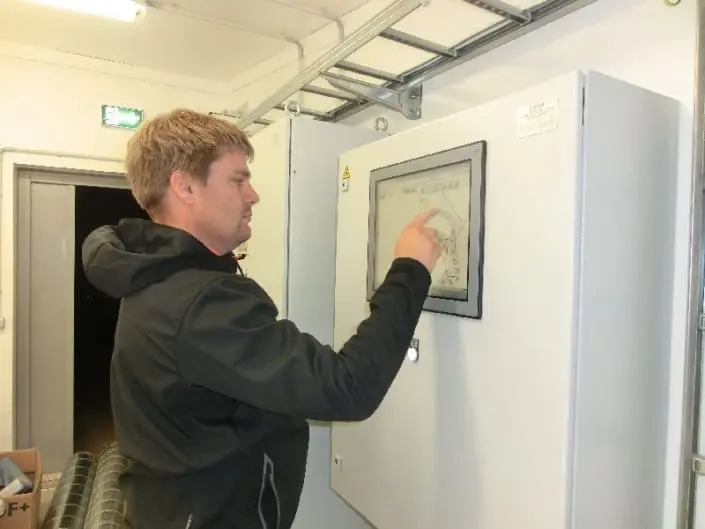
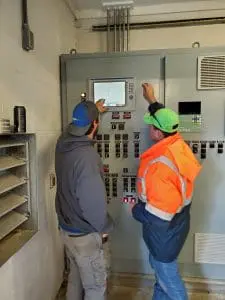
Flovac Manager Georg Sarap checking the monitoring system via the touch screen at the vacuum pump station

For maintenance we recommend that certain parts in the valve and controller are replaced every 10 years or 300,000 cycles. The body itself has a design life of 50 years. European Standard EN 16932 calls for an endurance test with 250,000 cycles, as does the Australian Standard AS 4310 Details Here

Flovac has independant testing of the valve at 700,000 cycles, significantly more than required by the standards and represents 23 years of activation without failure.

We know that in a number of our systems we have some very high flow situations. With some its been due initially to infiltration which clients have since resolved. With others the system has been designed to cater for very high flows. High Flow Projects .

One Million Cycles

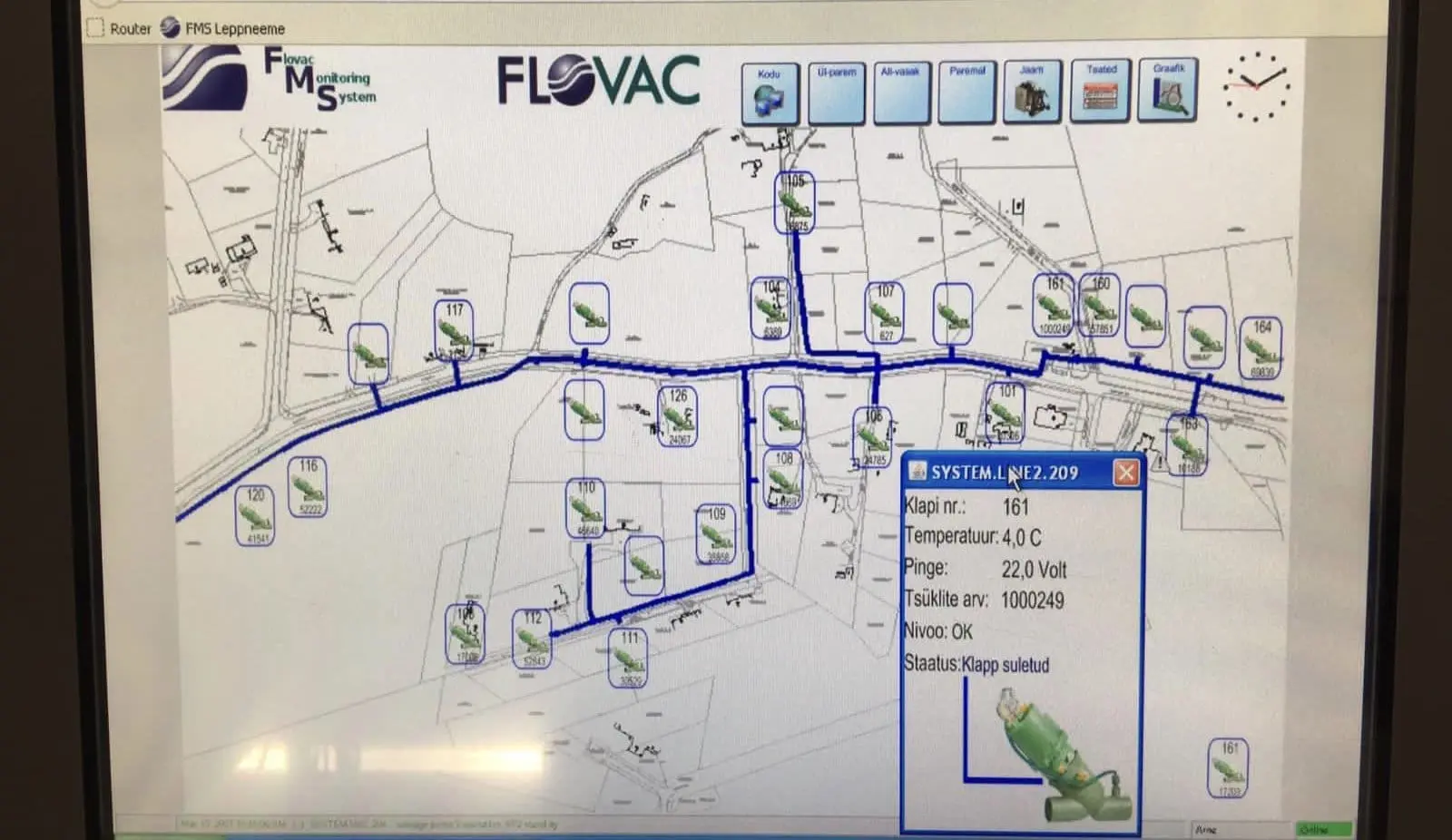
Monitoring screen showing over 1 million cycles

At our project at Leppneeme in Estonia our team has been watching one of our high flow valves closely. It has a Flovac cable monitoring system which can tell the operator the number of times the valve has operated (Tsuklite arv:). It can also alert the operator to any faults, tell the temperature in the pit, the power use and location. The pit is located very close to the vacuum station which makes it easier to handle very high flows. This week the valve passed its 1 million mark with number of cycles. Based on these activations it has done 34 years worth of work in just 8 years and is still going strong.

Fortunately the operator would be able to tell from the monitoring system if any parts were wearing as the open time of the valve would start to change.

Although we have other systems that have valves which have recorded over 1 million cycles as well as achieving this result on our test bench it has been great watching it tick over via our monitoring system.

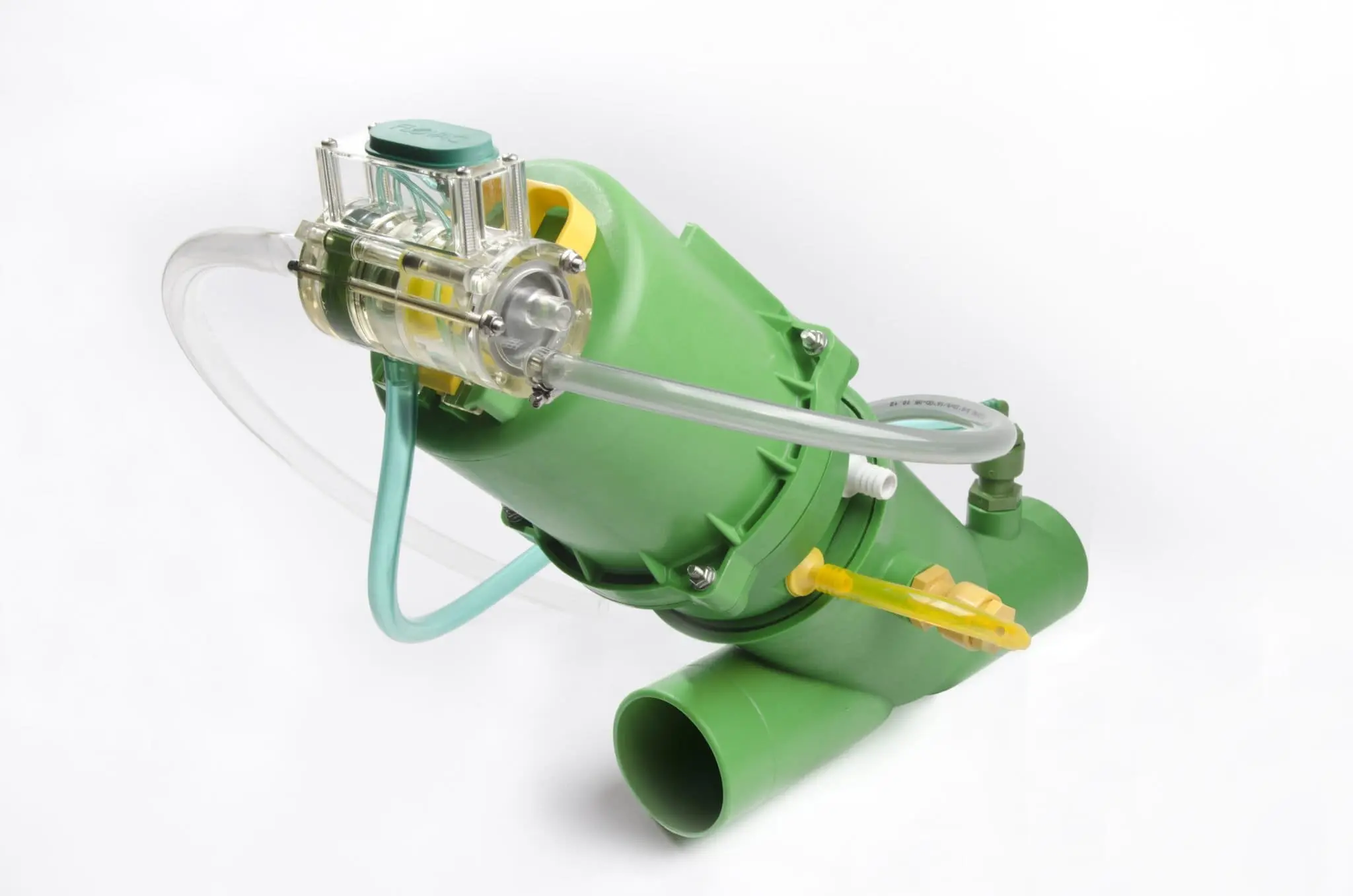
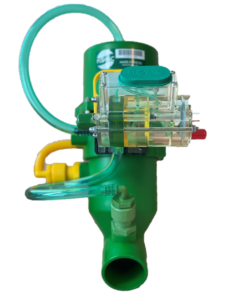
Flovac Vacuum Valve and Controller

EPA demands that vacuum technology to be used at Eco Resort

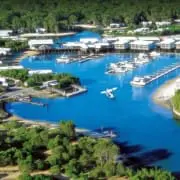
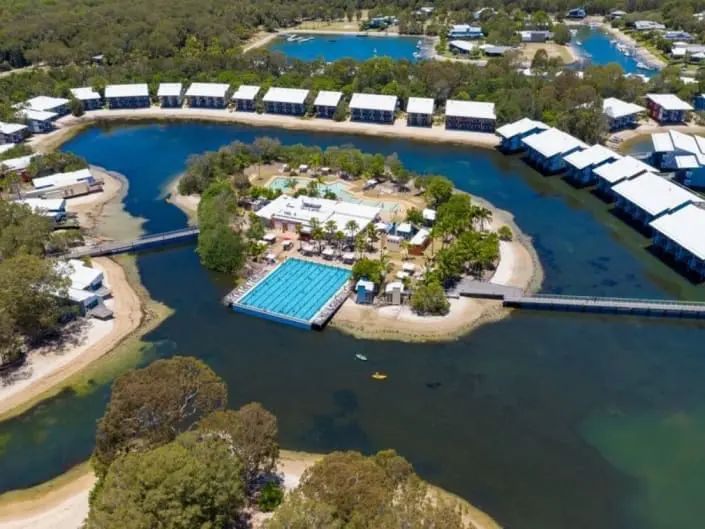
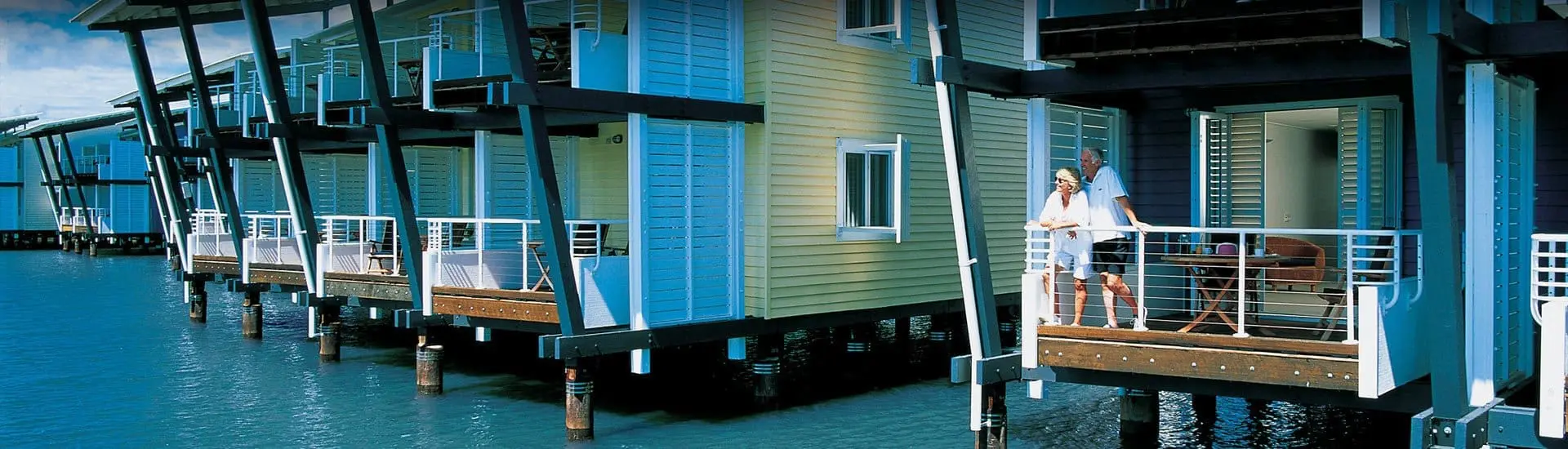
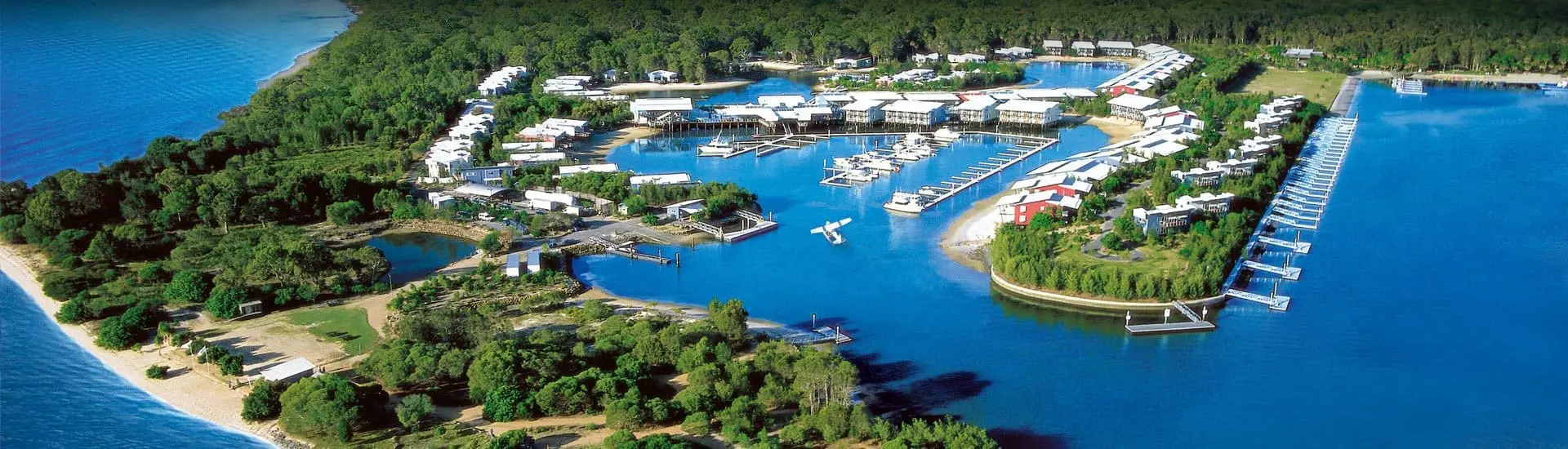
The Couran Cove Eco Resort in Queensland Australia is an award winning environmental success story for Flovac and for our client.

Designing to best environmental practices which included refunds to staying guests if they used less than average electricity and water during their stay.  A vacuum collection system was a natural choice, chosen for its ease of installation and environmental credentials.

2,000 visitors plus staff with a swimming pool, function center, laundry facility, restaurant and marina.

The system at a glance

  • 1 Vacuum Pump Station
  • 2,000 Guests plus Staff
  • Villa’s, apartments and cabins along with a conference facility, restaurants, sporting areas, offices and marina pump out facility
  • 215 Collection Pits
  • Fibre Optic Monitoring System

System Benefits

The developer showed a strong preference for a vacuum sewerage system as he saw it offering significant benefits in this development over each of the alternatives. These benefits were identified as:-

  • Ability to handle low flush toilets thus reducing the ultimate treated water disposal problem
  • Minimal impact on the landscape during construction with shallow trenches
  • Maximum water recovery for reuse in the re-vegetation irrigation system
  • Construction route flexibility thus minimizing the damage to vegetation
  • Ability to transport grey and black water in the one small bore pipe
  • Ability to safely lay all services in the one trench with minimal spacing
  • Zero infiltration and exfiltration
  • Ability of the system to service the entire site with one centralized pump station
  • Ability of the scheme to service the Boardwalk accommodation and even the boat sullage

Couran Cove Web Page

If you would like more information about this project or would like a free concept and budget for your next project please contact Flovac Engineering by clicking here

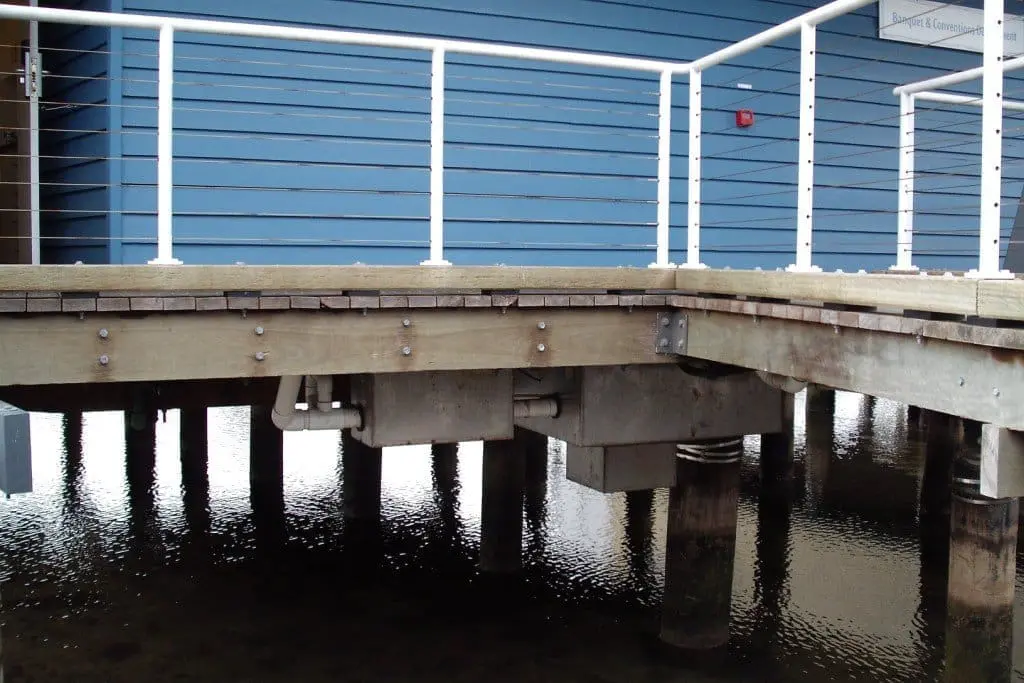
Vacuum Valve and Collection Sumps were located under the walkways in stainless steel vessels.


Award winning project for Flovac as a Commerce by Design award in the annual Gold Coast Urban Design Awards


Able to handle seasonal flows from different areas within the resort. The remote beach restaurant is 3 km from the main resort


Vacuum Sewer Operations Manager Interview

Alistair Read, Wastewater Utility Manager swapping old for new

Alistair Read, Wastewater Utility Manager swapping old for new

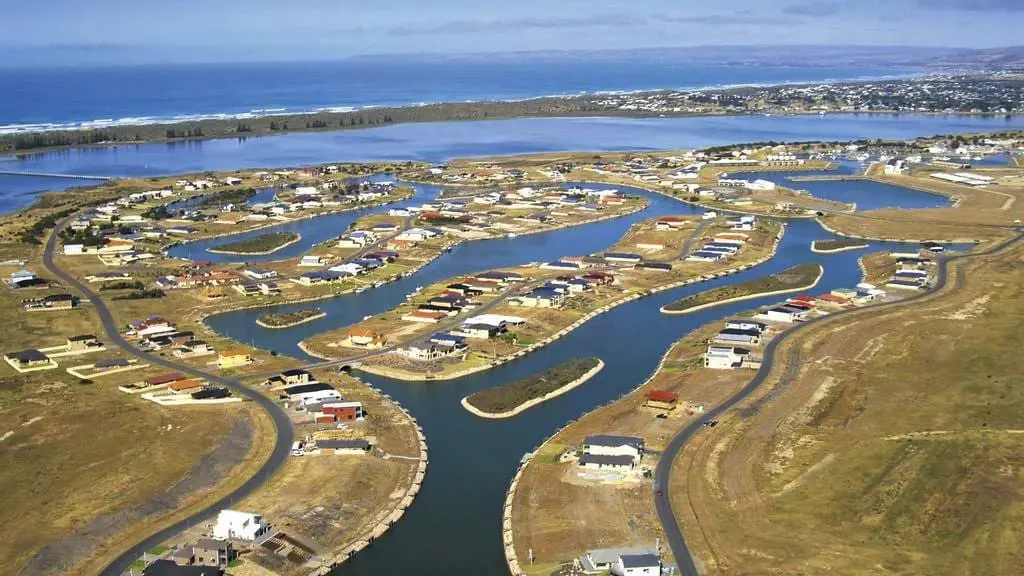
Interview with Alistair Read – Operations Manager Coorong Quays, South Australia.

Coorong Quays Project Link

1. What is your role at Coorong Quays?

I am the Manager of Operations of the Coorong Quays canal development in charge of the vacuum sewer system as well as the Treatment Plant. With the vacuum sewer system I am involved with the installation through to the tuning of each stage. I also review the specific design by Flovac and local engineer Wallbridge Gilbert Aztec (WGA). At this stage it is a private development and we have operated as a private utility.

2. How long has your vacuum sewerage system been in operation?

This vacuum system has been in operation since 1990 at Coorong Quays. It was originally known as Marina Hindmarsh and attracted a lot of holiday makers from Adelaide. It was the first vacuum system installed in South Australia. I have had 22 years of personal experience in operating this system. Starting out with Stage 2 with 36 Pits to Stage 8 with 276 Pits now servicing 845 homes. I have supervised seven stages, including the building of two of the three vacuum pumping stations. We also use the vacuum system to suck the wastewater off boats at the marina as well as many of the houseboats which travel up the Murray River.

Kangaroo Island bushfires

3. What do you do when not managing the system at Coorong Quays.

I am very active with the Army Reserve and often need to be away with the Reserve. Earlier this year I was tasked to bushfire assistance at Kangaroo Island. It was a devastating period. I also love camping in the northern part of the state. It is incredibly beautiful. When I am away for extended periods I know I can rely on Flovac helping out my team, and I can also keep in touch via the monitoring system if I have coverage.

4. What are some of the main benefits of the Flovac Vacuum Sewerage System in your view?

There are many benefits of the vacuum system. It has a number of environmental benefits: It’s ideal for high water tables with typical trenching of 0.9 to 1.2 to 1.5 range, for the main lines. It’s specifically suited to coastal tidal areas and environmentally sensitive areas. For example, if there is any third-party major breach, that line flow will stop due to a lack of vacuum. This means the spillage impact is minimal in the area as it is a gravity system with vacuum assisting. Far less than conventional Gravity/Pressure or LP system, where the environmental impact could be greater, so the Flovac Vacuum System is ideal for such locations.

It is also ideal as it has minimal environmental impact for sensitive areas like Coorong Quays where the development borders on the Coorong and the Murray River. It is also a very cost-effective system to operate. It takes a smaller team to run, without needing heavy specialized equipment. Thus, keeping maintenance asset costs down.

We operate everything at the development under ISO 14001, which is an environmental certification. This governs many aspects including health and safety. The vacuum system helped with the certification. That it cant leak, no infiltration, low power use and very good from a health and safety perspective was all very important.

5. Why did you choose this system over other possible options?

Manager Alistair Read at an old styled concrete chamber with Flovac valve

In comparison with Gravity and LP sewer systems we are very happy with this system, as it has the flexibility for ‘add-ons’ to initial plans. You can tune this system to work for your purposes. For example, until recently Coorong Quays had a low population in winter, with higher numbers in summer.

The system needed to be tuned to fit in with this and thus reducing operating cost it has been more energy efficient. This vacuum system has the ability to have an auto air injected system to assist with this over the ‘High season’. This system is highly flexible.

We have recently experienced some social changes from having a ‘transitional’ population to more permanent residents. This has occurred because of lifestyle changes and with the current COVID-19 situation people are now working from home at Coorong Quays coupled with increased domestic holidaying.

This system has worked well for us as it has allowed us to cope with this social change, and with changing housing designs now being built, that includes more bathrooms, bedrooms etc.

6. What do you think of FVS systems in general?

This system is a robust one that also has the ability to be flexible’ in coastal terrains. It can be designed to better fit in with the land contours.

For example, in the case of Coastal it can be designed with minimum disturbance, as opposed to conventional system installations. From an operations viewpoint it is also easy to maintain with a smaller crew.

Maintenance is recommended annually. With rebuilds 10 -15 years for internal components, depending on cycle usage.

From my experience with valves, it’s about 15 years with nominal use of 30,000 to 40,000 cycles per valve a year.

7. Would you recommend this particular system to other similar developments such as yours?

Flovac Monitoring System

I highly recommend this system for coastal environments. Used in conjunction with the wireless monitoring system (FMS) it is an even better way of monitoring this system and tuning it to run at its optimum. The benefit of this is that it can be done remotely, and tuned on site.

The FMS electronic monitoring system also records how the valve activity is performing and allows the operator to address any maintenance issues straight away.

8. Has Flovac provided good support to you and your team?

Flovac have been with us all the way through. New product developments like the monitoring system and PE collection pits. Improvements to their valve and controller and  their engineers and operators have been fantastic. They run 24-hour support, though we have never really needed it.

It’s important to recognise that a vacuum system is not just a single product, its a system. So we need to be on top of all aspects. I have plenty of other things to watch over in my life so its been great knowing that we can rely on the Flovac team. They are doing this day in, day out , all around the world. They know what they are doing and they have never let us down.

Coorong Quays residential canal development project in South Australia

Is Infiltration Causing Problems in Your Sewerage System?

Not long after Miles Crossing Sanitary Sewer District in Oregon installed a new vacuum sewer system they realized they had an issue that needed an immediate fix. According to the superintendent, Carl Gifford, “Our flows exceed 180,000 gallons [on heavy rain days] due to a massive I/I issue that we grew to have”.  This excess can put a strain on the system which can increase utility bills, not to mention, Miles Crossing is a collection system only.  They have to work with a neighboring system for treatment and have a limit on max flow that can be sent.
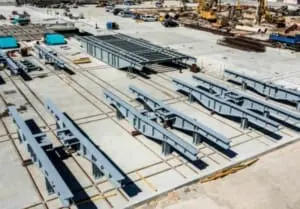
Flovac and Miles Crossing were able to meet and come up with a  plan to utilize Flovac Monitoring System to overcome these issues.

“With this system, we can monitor the fires from each individual pit. During a rain event, it is really simple to tell which ones contribute to the massive I/I we are dealing with. During the last winter, we were able to identify 9 sources of I/I that we were able to repair”.

Gifford also mentions how the system allows for the sewer district to know about problems before customers do. “An additional benefit that we observed with this system is the alarms that it provided. Numerous times we were called out for a high-level at a residence and were able to make the repair and get it back online before the customer knew there was a problem. This helps greatly with the risk management of possible failures and the following lawsuits that have happened in the past”.

Due to less load on the system, Miles Crossing have been able to add residential connections creating revenue.

To find out more about the Flovac Monitoring System – Click Here

Image on Front Cover Torsten Blackwood—AFP/Getty Images

Flovac Protecting the Environment in Barcelona

Flovac was in charge of the design and installation of a Flovac vacuum sewerage system at the MB92 Port of Barcelona expansion project to collect wastewater and ensure that no environmental damage could occur in the area.

MB92 expands its installations at Barcelona’s port

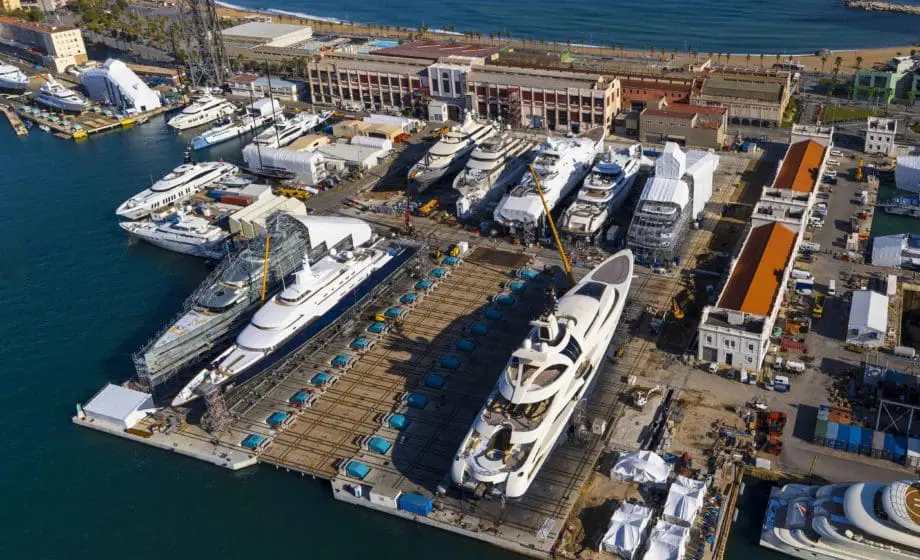
Marina Barcelona 92 (MB92), a company dedicated to the maintenance and repair of superyachts, was in charge of carrying out the ambitious project to expand the port coastline of Barcelona, in the Port Vell area. The project, started in 2015 and completed in 2019, consisted of the construction of a large surface area in which a new boat lifting system (known as shiplift) would be located, with the aim of grounding yachts of up to 4,000 tons for repair and maintenance. Currently, it is the largest shiplift in the world dedicated exclusively to yachts.

The Project

The project, which involved a total investment of 50 million euros, was completed in August 2019 after 4 years of work. Thanks to the shiplift, customers have more ability than ever to work out of the water, which offers more flexibility, capacity and opportunities when it comes to maintaining and repairing yachts. Since its launch, the shiplift has already carried 22 superyachts with an average of over 75m LOA. It is a feat of world-class civil engineering in the heart of the port of Barcelona.

Raising Capacity

  • Capacity to lift vessels up to 115m LOA.
  • 30,000m2 hard standing area to host up to 9 vessels of up to 115m LOA on dry land
  • Hard standing area includes integrated keel pit with dimensions of 8m depth, 5m width and 14.5m length.
  • Bidirectional rail system to facilitate flexible and more efficient maneuverability of vessels once hauled out.
  • Supply of all essential services such as fresh water and shore power connections.

Flovac Looking after the Environment

Flovac was commissioned to install a vacuum sewerage system in this project in order to collect the wastewater generated by MB92’s activity. The goal of Flovac and the products it offers is to reduce the human footprint. Therefore, one of the main priorities was to guarantee the environmental protection of the area. The installation is made up of 2 independent vacuum networks; one for the wastewater from buildings and yachts, and the other one for industrial wastewater produced from yacht repair. The industrial wastewater is transported to a new treatment plant, at MB92’s own facilities. The facility has 4 tanks with 2 vacuum valves each. Flovac has finished the commissioning this July.

To find out more about Flovac’s port and marina projects you can click here

Flovac’s First Project in Botswana

A Flovac vacuum sewerage system has been installed at the site of one of Africa’s most important infrastructure projects, funded by the African Development Fund.

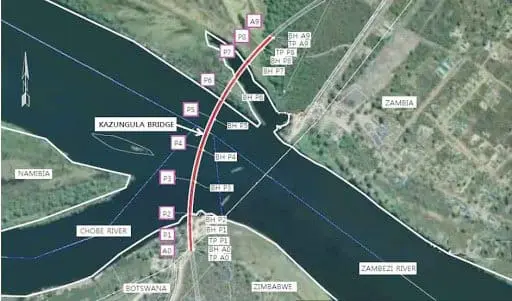
Kazungula Bridge Connecting Countries

The Kazungula Bridge project which is connecting Zambia and Botswana over the Zambezi River will be a 40{1deaea03afbf3f3fb2d45caffee157f5a0ec73dd837732cad8f5061c47eb75db} boost to the GDP of the countries involved as it opens up the regions for trade all the way to the port at Durban.

The Kazungula Bridge is located at the only area in the world where 4 countries meet together. Zambia, Botswana, Namibia and Zimbabwe. One of the Seven Natural Wonders of the World, the Victoria Falls is located a short 1 hour drive from the project.

As the new Bridge opens up trade and tourism between the four countries it was necessary to set up a new border customs and immigration complex. Zhong Gan, an experienced International engineering and construction company based in Botswana, has done numerous projects for the World Bank and Botswana Government and decided to use a Flovac vacuum sewerage system on this project which services this complex.

Justin Peng the project director of Zhong Gan chose a vacuum sewer as a value engineering proposal to the client as there was a high water table which prevented deep excavations required by the original gravity system proposed. Ensuring that no sewage could overflow to the Zambezi River was also important as the area is home to elephants and others in Africas Big 5.

Installing a Flovac Collection Pit and Valve

Smart Vacuum Sewer System

The Flovac system is the first smart sewer system installed in Botswana which allows the operator to have a complete system overview. The smart system allows the operator to look at the performance of each vacuum valve in the system and independently alert operators to any potential problems.

Mr Peng chose Flovac due to the operator friendly nature of the design and equipment and the overwhelming positive feedback from prior installations that his team visited. The Water Utilities Corporation approved the system who were extremely pleased by the advancement in technology and ease of maintenance compared to other systems that had been installed in Botswana and Southern Africa.

The Flovac Team worked very closely with our local representatives Multi Waste Pty Limited headed by Andrew Davies. Multi Waste are a large domestic company , experts in water, wastewater and energy in Botswana and Southern Africa. Multi waste set up a fabrication plant for the Flovac pits and handled all assembly of the system at their head office in Gaborone prior to delivery to site.

The Multi Waste team will operate and maintain the system for the time being with support from the Flovac International Operations Group via the monitoring system.


The Flovac and Multi Waste Design and Install team


Why Hilton Resorts chose a Flovac Vacuum Sewerage System

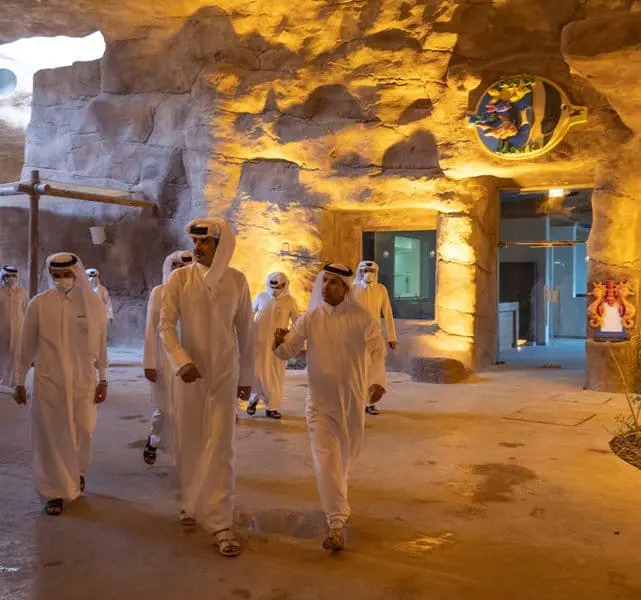
The Hilton Salwa Resort is designed to become one of the largest resorts and residential projects in Qatar. Utilizing a Flovac vacuum sewer system the resort is constructed on 257 acres of land in the Salwa area. The beach resort and villas is a massive project that includes a water park, marina, dive center, cinemas, pools, a health club, spa and a considerable retail space. In addition to the rooms and suites in the main hotel building, the resort will also include two small “villages” of family villas. (Hilton Hotels  announcement)

Hilton Salwa Beach Resort and Villas

Flovac was asked to design and supply a vacuum system that would be able to handle the high flows that will ultimately be handled by the Resort. The vacuum system needed to facilitate not only the hotel but also residential areas, restaurants and the marina. The client was aware of the good work which Flovac had done at Reef Island in Bahrain (Read Here) and was particularly impressed with the monitoring system that had been installed.
The monitoring allows operators to see exactly what was happening anywhere in the network including the operation of the vacuum pump station. Mr Willem Gooren one of the founders of Flovac managed the project and was based in the Middle East for extensive periods during the projects establishment and finalization.

Smart and Safe Installation

In sandy soils, especially areas where there is a high water table vacuum systems are ideal as all of the pipework is installed at a shallow depth in the ground. A stepped profile within the pipeline design allows for some utilization of gravity while keeping the pipe shallow.

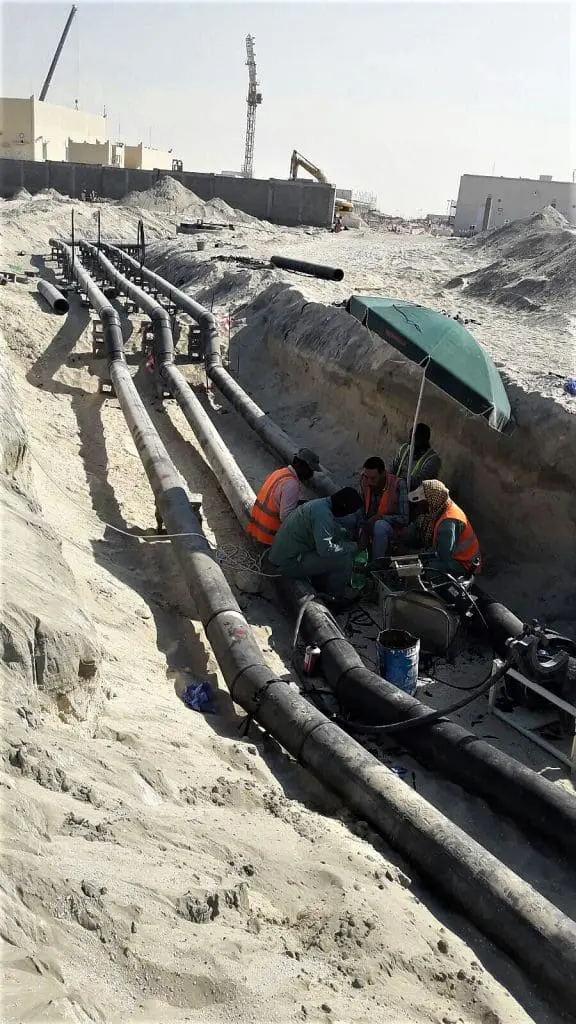
Installation of vacuum mains is a lot faster than the installation of gravity sewers as there is less requirement to de-water or pre-load the land. HDPE pipe is used often when installing in hot climates and where soil conditions are unstable.

Leak Proof

The use of a Flovac system was also important to ensure that there would be no potential leaks from the system. As all vacuum pipework is under a negative pressure sewage cannot leak from the pipe in the event of a break.

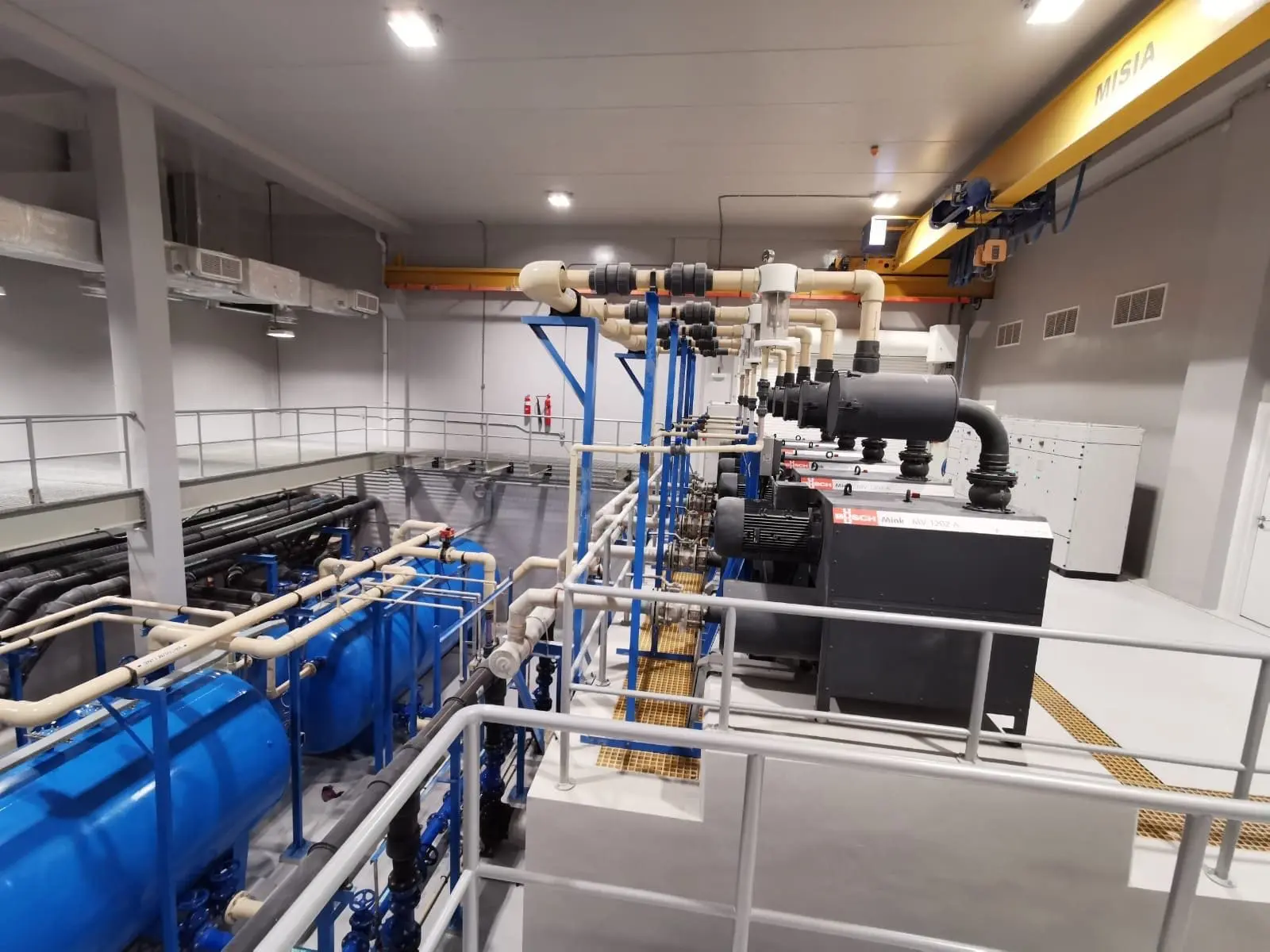
The Vacuum Pump Station is one of the largest stations in the world. Housed in a dry and air conditioned environment the two large collection tanks are connected to five large Busch Mink MM 1202 vacuum pumps. Flovac has used Mink pumps since before 2005 and so has great experience in the correct set up to maximize the ability to handle the large flows required in this project.


Sydney Superyacht Marina gets a Flovac Makeover

Clemens Overdijk – Marina Manager at the Sydney Superyacht Marina

Sydney Superyacht Marina Sewage Pump Out System Upgrade

This standout marina was first built in the late nineties to accommodate visitors to the 2000 Sydney Olympics. Since that time, not only have the yachts gotten bigger but the requirements of many of the yacht owners have reached the point where a number of upgrades to facilities are required. Clemens Overdijk, the Marina Manager since 2016 has been very interested in ensuring that their customers get the best experience possible.

One aspect that is very important to many yacht owners is the ability to quickly and cleanly discharge any wastewater from their vessels. No one wants leaks or the risk of overflows, or odours and importantly no one wants to spend hours tied up discharging wastewater. Or even worse needing to go to a different marina to discharge. There are many smaller marinas now unable to handle the size of the tanks, or the depth of the yachts, causing them to go elsewhere, at quite a cost. An important bonus for the yacht owners is that each berth offers a direct connection to the vacuum system.

Clemens looked at a variety of solutions from around the world and found that Flovac, a local company, was doing large scale marina sewage systems at a number of large marinas around the world and catering to the largest of yachts. These included projects in Barcelona, Spain, Italy and Greece, home of the superyachts.

Remote Activation of Pumps

One aspect of the work that Flovac had been doing around the world  was in the technology space. Flovac has pioneered the use of IOT (Internet of Things) technologies to enable remote

New Pump Station Upgrade and touch screen application

troubleshooting of the system as well as remote operation of the system. Many existing pump out systems require the yacht manager to locate the pump station, turn it on manually (if it is working), go back to their yacht to start the operation which may take many hours to complete. If someone else is using it, or if there is a problem, it may well affect the ability of the yacht to get back into action in a timely manner. Flovac has developed an app for the phone, which the yacht owner can log into from the comfort of his or her yacht. At a glance they can see if the facility is available. Couple the yacht to the access port, push start on the phone and discharge the wastewater.

System Success

The very first yacht that tried out the new system was a new 65m superyacht, one of the larger yachts at the marina. They had experienced a lot of difficulty with the old system, often having to go to a different marina altogether as the system could not handle receiving pumped flows. With the new system, the 6,000 litre discharge took less than an hour and a “smooth operation”for all involved. Telling our operator and other boat owners that this was the best system that they had come across in Australia.

The “significant investment” that required securing the best system has now become part of the key features of the marina that gives captains the confidence that SSM can meet their requirements.

Sydney Superyacht Marina

If you would like more information about the work Flovac has done at Marinas and Ports please Read Here

For an overview of the Sydney Superyacht Marina you can view that here

Contact here for a concept design or budget for your Marina

Engineered Solutions. Flovac Launches New 2 inch Vacuum Valve

Early vacuum sewerage systems are about to get a makeover thanks to the Flovac R&D team in conjunction with the Production team in The Netherlands. Clients from many parts of the world had struggled with getting reliable and easy to use vacuum valves to fit the earliest vacuum systems installed in the 1960’s and 1970’s.

Joel Lillienthal, the pioneer of modern vacuum systems granted early patents to Electrolux for the development of the vacuum sewerage industry in the early 1960’s. Those systems were developed using 2-inch (50 mm) vacuum valves as many were used for just grey water, marine applications and single house applications. Modern vacuum systems all use 3-inch or 90 mm vacuum vales and this is a requirement under most standards.

The 2-inch valves that were installed in many of those early projects used a membrane type valve and an old fashioned ball float controller, similar to what was used in old toilet cisterns. Both the membrane valve and ball float increased operational problems in these systems as did the smaller 2-inch size of the valve. As most plumbing fixtures within the house had a 3-inch clearance the vacuum valve became a choke point.

The development and use of 3-inch valves in the 1970’s reduced the rate of blockages and vast improvements to the technology in the years since have meant that vacuum sewers are the preferred alternate sewage system in many countries. Sadly most of these early vacuum sewers had corresponding size issues with smaller diameter pipes and small diameter collection pits for holding the vacuum valves. This meant that it was often impossible to replace the existing valves with modern larger ones.

Although there are still many hundreds of vacuum systems left from the sixties which are still working, they do have high operational costs and problems can be difficult to find. This has caused some anxiety around vacuum technology in area’s where these systems still exist.

2-Inch Valve Improvements

Flovac’s production team have been working for some time on developing a 2-inch valve to help out numerous clients from around the world. What clients had asked for was something that was

New Flovac 2-inch valve

very similar to our 3-inch valve.  You can read about all the benefits of the Flovac 3-inch ( 90 mm valve) here. Clients felt that it was the best valve and controller in the market and wanted as many of the same attributes as possible. What has been developed is very similar and includes the ability to unscrew the top half of the valve from the bottom without using any equipment. The controller also has a quick release key.  The internal free ball passage of the FLOVAC 2-inch interface valve is with 55 mm the biggest free ball passage in the existing market. This with the self-cleansing extra wide Y-body, results in higher efficiency and less chance of blockages.

Valve Monitoring Option

As an addition they have managed to make it compatible with either the cable or wireless monitoring systems.  A 2-inch valve is always going to be more susceptible to blockages so getting an alert when one occurs and in which valve it is occurring will cut down operational time considerably. Another very important reason for the use of monitoring with these old systems is that many suffer from infiltration from groundwater and stormwater. Some of these systems are now 50 years old, pipes and pits are cracking and breaking. Monitoring makes it possible to target specific areas for rectification, taking away the guesswork.


Grey Water Systems

The new Flovac-2 inch valve has not been developed for use in modern municipal system as only 3-inch valves should be used in residential area’s. One area that the 2-inch valve might find a market though is for when we do grey water only systems or smaller indoor systems. Grey water systems do not have solids and so there is little to no risk of blockages.

Flovac 2-inch valve with Grey Water Box

Please contact your closest Flovac office if you would like more information about the 2 inch valve. It will be on display at the worlds largest water industry expo at IFAT in Munich in May 2020.