Official Opening of New Smart Vacuum System in Estonia
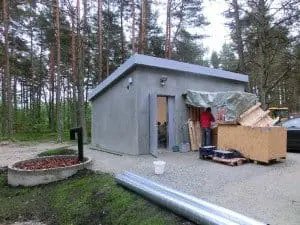 Merko, the leading construction company in Estonia has finished construction in Vääna-Jõesuu of Estonia’s second vacuum sewerage system – Flovac’s first system was completed last year in Leppneeme and has performed better than expectations for both the community and the operators.
Both systems were of a similar size about 650 people and near the coast where septic tanks were causing environmental problems.
According to Valdo Liiv of OÜ Strantum, the company that commissioned the work, the use of vacuum sewerage systems in outdoor piping solutions is unjustifiably uncommon in Estonia. “When the work was ordered, the main reason for utilizing a vacuum-based system was the low costs of construction and maintenance, but now that the first customers are hooked up to the system, we also see the system is very convenient to use, particularly with respect to monitoring customers.”
“The work in Vääna-Jõesuu progressed very smoothly and quickly. All four phases of the project were completed before the contractual deadline. We have therefore been able to minimize inconveniences associated with construction work for both residents and holidaymakers in the area,” said Merko Ehitus Eesti AS project manager Peeter Laidma.
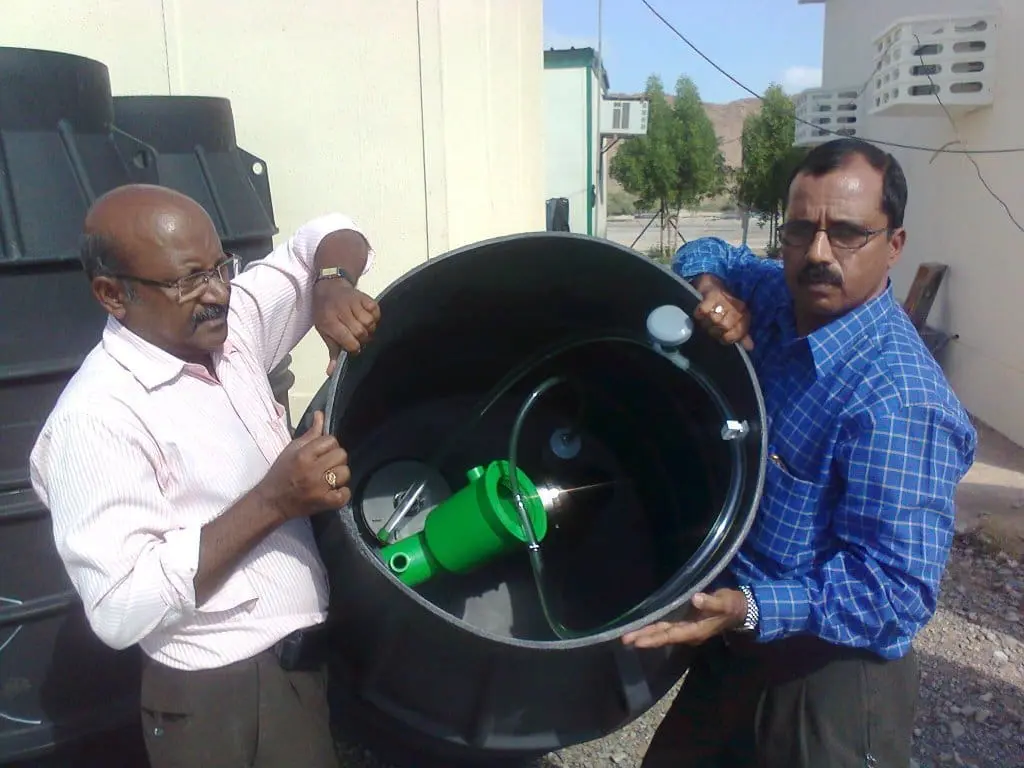
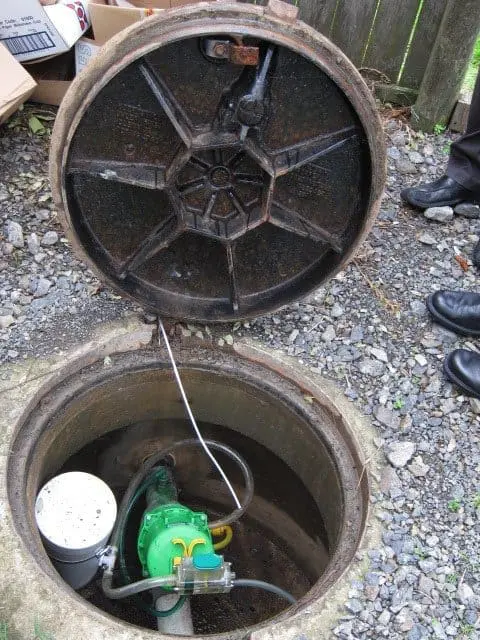
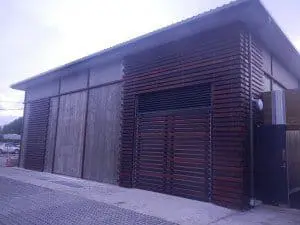
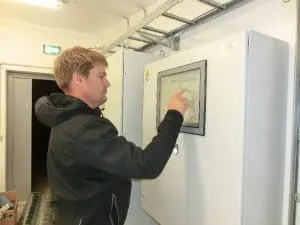 “A vacuum station and waste water pumping station were built in the Puraviku tee and Nõmmerohu tee area, as well as 3.8 km of drinking water piping and 4.1 km of sewerage piping, including nearly 3.6 km of vacuum sewerage piping. The benefit of vacuum sewerage is efficiency – the sewerage pumping station does not have to pump excess water, since the watertight vacuum sewerage system takes in significantly less water from rainfall, snowmelt, leaking pipes and wells than ordinary sewerage systems. The vacuum sewerage tanks are waterproof and the tanks’ lids are 10-20 cm above the ground to prevent rainwater from leaking in from the lid,” Laidma explained.
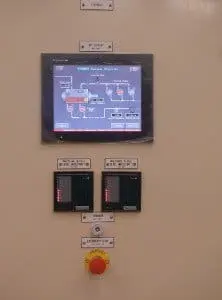
“Additionally, each tank is equipped with sensors to monitor the flow of each client’s waste water. Any increase in flow is automatically picked up by the sensor and notifies a maintenance technician. Ordinary sewerage systems do not have this monitoring capability and major leaks are usually only discovered by chance or when some other problem is being addressed,” added Laidma.
The construction work was carried out by AS Merko Ehitus Eesti and AS Merko Infra, which also built Estonia’s thus far only vacuum sewerage piping system, in the village of Leppneeme in Viimsi municipality.
the official opening was attended by Flovac’s Regional manager Mr Ralph Grüschow

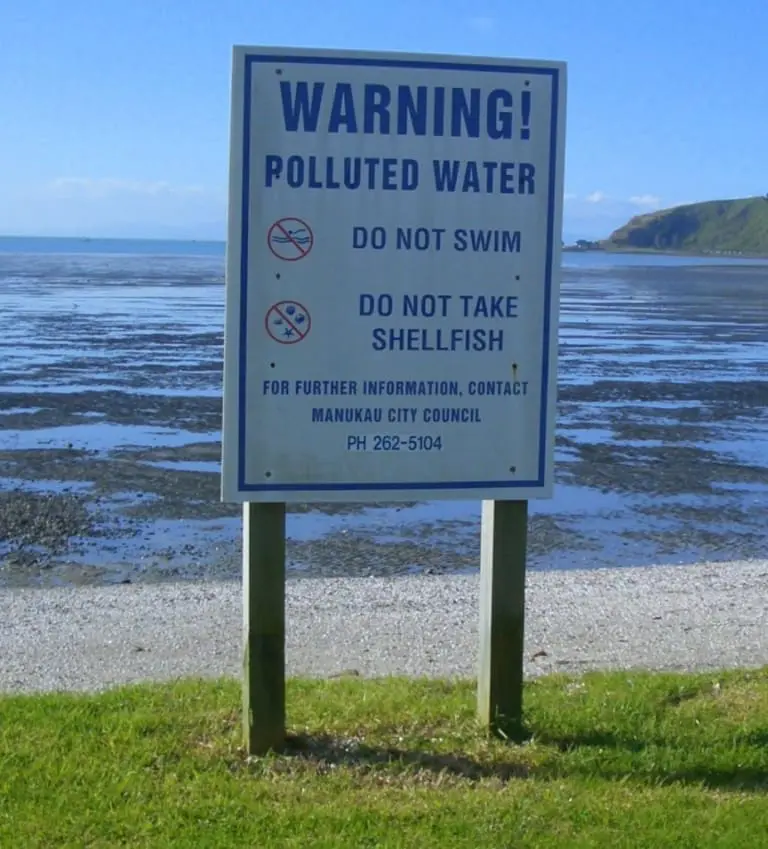 The awards are named after Auckland City Waterworks Engineer, Arthur Mead, who performed the initial survey and created the designs for Upper Nihotupu and Hia Dams. They are awarded every year to projects that use sustainable features, deal with waste management, avoid negative environmental effects and promote community involvement.
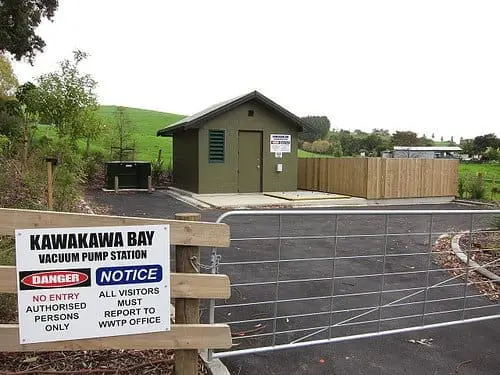
 The celebrated project was designed by engineering consultancy Harrison Grierson with Flovac Systems and constructed by Fulton Hogan. Watercare took over the operation of the Kawakawa Bay system after it had been in operation for a year. Following the implementation of the system, ageing septic tanks in the area could be removed, helping to reduce pollution to local streams and
 Vacuum collection systems allow wastewater from each individual property to drain into a pit before going through a vacuum pipe network. This is controlled through the use of a pneumatically controlled vacuum interface valve in the pit.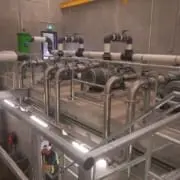
 It’s a case of one down and 2599 to go at the biggest subdivision in Christchurch.
 In the second stage, Harakeke, 130 of the 230 sections have sold without being officially released to the market. Titles in that stage will be ready for buyers in June next year.
 At 203 hectares, Prestons is on a site bigger than Hagley Park. It is next to the Bottle Lake Forest reserve, and the Waitikiri and Windsor Golf Courses.
 He believes the geotechnical report that comes with each section is helping attract buyers.
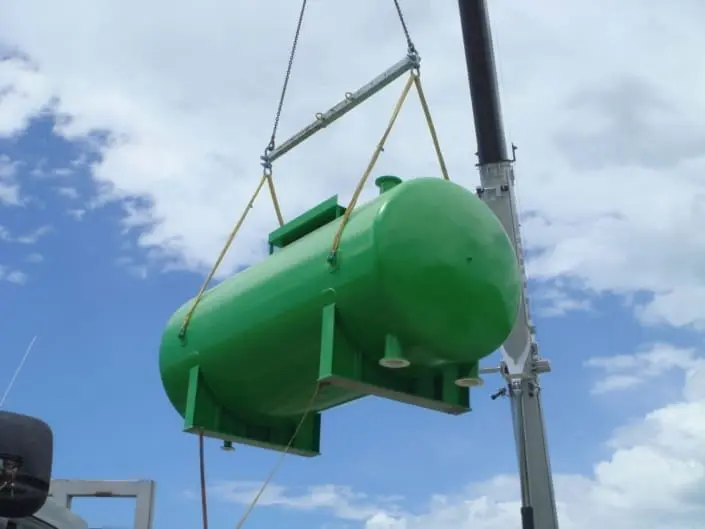
 As trains come into the yard maintenance crews can hook up a vacuum hose via a fitting to the trains sewage holding tanks. The tank is evacuated via a push button control on the Flovac Valve. Sewage goes via a vacuum main back to a series of vacuum pumps and then discharged to the gravity network.
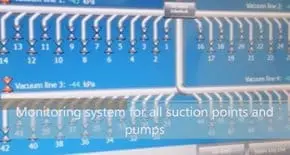 The management team and operators at Willowbrook were particularly impressed with the speed of the evacuation of the trains as the process took a matter of seconds rather than the extensive delays that they have previously had. This meant that money was saved in labour costs but more importantly in the amount of time that it took to get the trains back into service.
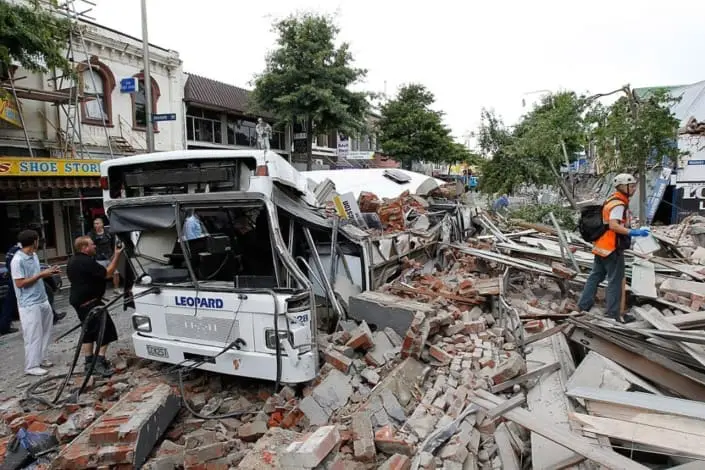 SCIRT partner McConnell Dowell is more than halfway through a big project to build a Flovac vacuum wastewater system in the Christchurch residential suburb of Shirley – the first area of the South Island to use such technology.
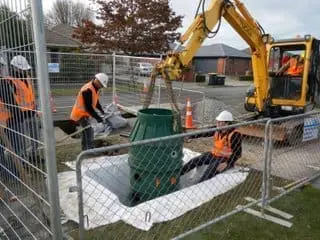 After the earthquakes, the slope changed in many parts of the city, so wastewater was running in the wrong direction. The Flovac vacuum system will offer much greater resilience if there are further large earthquakes, especially in areas considered prone to liquefaction.
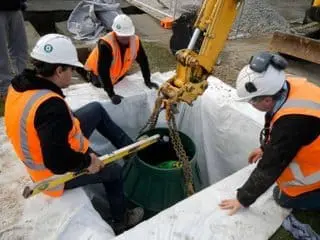
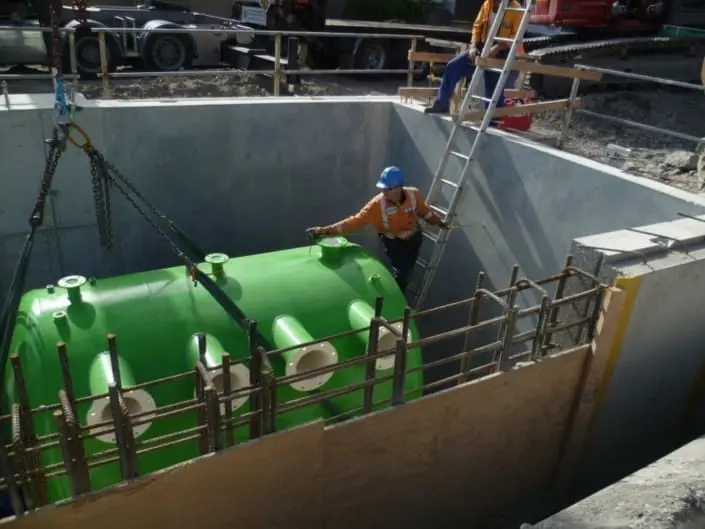 Wastewater will arrive at the Shirley catchments new pumping station, on Golf Links Road, from small collection chambers, usually located on the grass berm of a street, each serving up to four properties. The only visible parts in most streets will be collection chamber lids and man-holes at ground-level, while vent stacks will sit against property boundaries.
 Like in other parts of the city, wastewater from the new pumping station will go via the normal gravity system southeast to the wastewater treatment plant at Bromley.